Build a complete, polished, interactive landing page. Use clear, natural copy and a restrained layout with purposeful controls. Keep native scrolling, support phone and desktop layouts, keyboard controls, and reduced motion. The main interaction should work without a runtime AI call or account.
Scenario: Ridge is an imagined outdoor equipment brand launching a compact day pack. Visitors want to understand its pockets, capacity and how their everyday trail items fit. This demo should combine a strong outdoor campaign with useful spatial interaction.
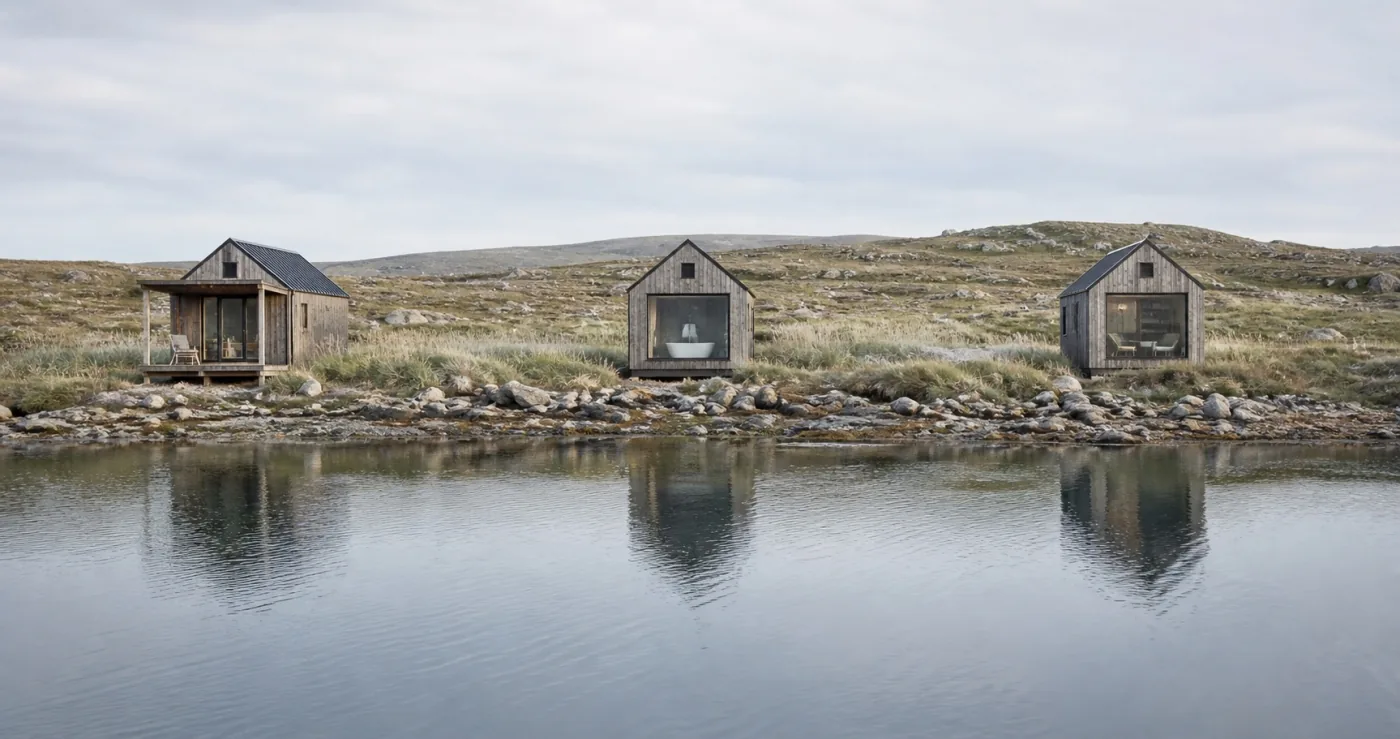
Art direction: chalk white, mountain blue, burnt orange and graphite, rugged close-up fabric details, bold condensed headings and precise practical labels. Mix a single excellent landscape campaign image with large clean product renders. Avoid beige luxury styling or a generic ecommerce grid.
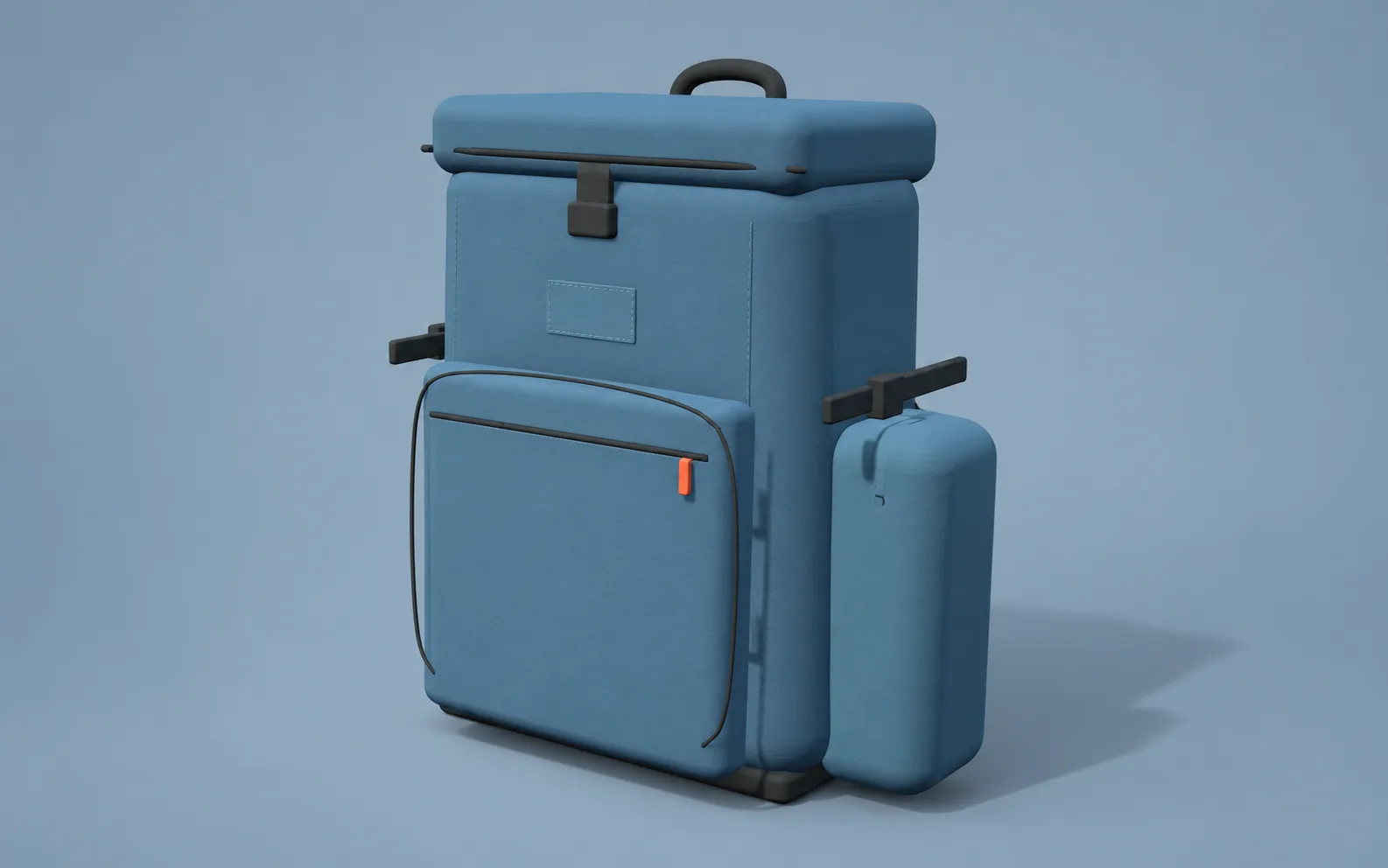
Hero: “One pack for a day on the trail.” Show the pack prominently with a “Try the packing guide” action. The signature object is a coherent 3D pack with two authored capacity options and a few finishes. Scrolling opens the top and reveals the compartments in an exploded/cutaway view; product seams, straps, lining and pockets should correspond between all views.
Build an interactive packing guide with six to eight predefined objects such as a bottle, rolled jacket, notebook, camera cube and lunch box. Visitors add or drag items into appropriate compartments; the scene shows where each one goes, how much space remains and what will not fit under the guide's clearly defined dimensions. Base capacity/fit feedback on the same item dimensions and compartment model used by the visualization. Do not animate everything into a bag regardless of constraints. Provide tap-to-add controls, remove/undo and reset.
Changing the pack size should preserve what still fits and explain which item needs to be removed or repositioned. Keep the physics/packing solver bounded and predictable; a carefully designed geometric fit model is sufficient. Document the model's simplifications in the README. Do not imply the guide is a hiking-safety checklist.
Follow with concise practical sections about access, compartments and construction, then a saved packing summary with a real downloadable image/list. There is no checkout. Include a short “Inside the pack” view with meaningful labels instead of a wall of feature badges.
Test every item combination near capacity, size changes, undo/reset, model rotation, reduced motion and mobile input. The backpack must look well made, and the packing guide must be understandable without instructions longer than a sentence.