
Choose a GPT-6 model based on the reasoning your task requires, speed, and cost.
-
Highest intelligence
For the most demanding reasoning, coding, and professional work.
-
Balanced speed, cost, and intelligence
Near-Astra performance for complex work at a lower cost.
-
Fastest and most cost-effective
Strong performance for focused, high-volume tasks.
To get started, set model in a Responses API request. If you already use gpt-6-sol, review the migration guidance before switching to GPT-6.1 Sol.
GPT-6 Astra
GPT-6 Astra is our most intelligent model yet, with state-of-the-art performance in computer use, browsing, software engineering, science, and professional work. It can carry out multi-step workflows across code, browsers, and professional software. In several evaluations, Astra achieved stronger results using substantially fewer output tokens. Its estimated API cost per task was lower than earlier models despite its higher per-token pricing.
GPT-6 Astra is also our most aligned model yet. It excels at exercising care, respecting task boundaries, and communicating transparently. When instructions leave room for interpretation, it uses the context it has to fill in routine gaps and asks focused questions when the answer could change the outcome. It incorporates new requirements, changes course when asked, and answers side questions without losing track of the broader task.
All GPT-6 Astra users also have access to Fast mode and the new Ultrafast mode for our fastest API speeds.
GPT-6.1 Sol
Use GPT-6.1 Sol for complex coding, computer use, and professional work when you want near-Astra performance at a lower cost. Compare it with Astra on your tasks to assess the tradeoff between quality and cost.
Set reasoning.effort to low, medium (default), high, xhigh, or max.
Use the Responses API for tool calling. Chat Completions supports requests
without tools. The none and minimal reasoning efforts are not supported.
See the model page for specifications, pricing, and availability, or model selection for guidance on choosing a model.
What’s new
- Async tool calling: GPT-6 can continue reasoning, call other tools, or answer independent parts of a request while your application runs a tool. Set
async: trueon a function or custom tool and return its result when ready using the originalcall_id. Your application still executes the tool and manages pending work. See Async tool calling for basic usage and a developer-defined wait-tool pattern. - Mid-turn steering: Send additional user instructions while GPT-6 is working, such as a correction or a change in requirements. Over a WebSocket connection, the Responses API preserves completed work and includes the update in a continuation. See Mid-turn steering for the event flow and tool-result handling.
- Change reasoning mid-conversation while preserving cache: Add a
configuration_updateinput item to increase reasoning effort for difficult work or reduce it for routine follow-ups without rewriting the original prompt prefix. The updated reasoning effort applies until anotherconfiguration_updateinput item overrides it. See Change reasoning mid-conversation for examples and compatibility. - Misalignment monitoring: As part of our strengthened safeguards for GPT-6 Astra, our systems asynchronously monitor for misalignment and trigger alerts when necessary. See Misalignment monitoring for more information.
GPT-6 also supports the existing API capabilities available with GPT-5.6, including computer use, Structured Outputs, streaming, Programmatic Tool Calling, multi-agent orchestration, prompt caching, persisted reasoning, compaction, and pro mode.
Limitations
- GPT-6 Astra and GPT-6.1 Sol do not support the
nonereasoning effort; GPT-6 Sol and GPT-6 Luna do. - Fast mode is not available with EU data residency for GPT-6 Astra, GPT-6 Sol, or GPT-6 Luna. Ultrafast mode supports US data residency and global processing only. It does not support EU or other non-US regional processing endpoints. See data residency eligibility.
Prompting best practices
Use the following prompts as a starting point across the GPT-6 model family. They address behavior observed with GPT-6 Astra; evaluate them with your chosen model and workload.
GPT-6 Astra behavior
- Initiative and follow-through: The model is designed to be a more effective collaborator and is thus more likely to ask the user a question when additional input could materially change the result. This can cause it to stop when the user may expect it to make reasonable assumptions and persist.
- Instruction following: GPT-6 Astra is stronger at general instruction following than our previous models, giving you greater control over its behavior. It can be more sensitive to instructions contained in skills and other files, such as
AGENTS.md. We strongly recommend auditing skills and other files accessible to your model for instructions that could influence its behavior. - Personality and writing style: The model tends toward detailed, formatted responses and may use recurring phrases across sessions. Specify the writing style and structure your application needs.
- Subagent delegation: The model may delegate less often than desired for your workflow. Specify when and how much it should use subagents for parallel work.
- Testing and verification: For coding tasks, the model tends to be thorough in testing before considering a task complete. For smaller tasks, this can result in broader tests than the task requires.
Initiative and follow-through
GPT-6 Astra is generally better than GPT-5.6 Sol and earlier models at staying coherent during long tasks. It is also more likely to ask for clarification where earlier models would make assumptions.
To encourage more autonomous work, start with this prompt:
You should infer the user's intent and task scope from the instructions and prior conversation context. Your job is to bias towards action and carry the user's intended task to completion.

When the user expresses intent to perform new work or fix an existing issue, persist until the user's intended goal is complete. Progress autonomously towards the user's goal (e.g. creating isolated worktrees / checkouts if needed, resolving merge conflicts, read-only actions, creating draft PRs etc.) unless they are clearly destructive or irreversible.
When the user’s intent is unclear, the model is more likely to ask the user for clarification to proceed. Prompt the model to follow through if the user’s prompt implies authorization:
When the user's prompt indicates a request for action, such as "can you...", "I want to...", "help me..." and similar expressions, treat these as instructions to do the work and take action. Do not stop at acknowledging capability (e.g. "Yes…"), proposing a plan, or offering to continue. Do not settle for a partial or "helpful enough" solution that does not fully satisfy the user's task to save time, effort or tokens. If a task requires sustained work, complete all the necessary work until the intended outcome is fulfilled.Prompt the model to ask for approval only after preparing a concrete, reviewable result. This avoids blocking the task before the model has done the work it can, and often leads to quicker task completion.
Before asking the user clarifying questions, you should complete the work that is already authorized from context and necessary to make the proposed action concrete and reviewable. The user should be approving a concrete, reviewable result. For example, before deploying a change, writing to an external application, merging a PR or publishing a site, do all the required work first so that user approval is the final step. You don't need user permission for reversible tasks, read-only actions, reviews or fixes, or anything for which authorization is provided earlier in the session or strongly implied from the task instruction.

Do not introduce unsolicited warnings, disclaimers, approval flows, or safety/compliance checklists due to hypothetical risk.
The model also likes to ask non-blocking questions as it’s working by default, so adjust these prompts to match the level of autonomy your application needs.
Instruction following
GPT-6 Astra is better able to follow longer instructions, but can also be more sensitive to information in context. For example, unclear or conflicting guidance in a skill file may cause the model to pause and block work early. Make the priority of user instructions and skills explicit.
The user's instructions take precedence over guidelines provided in a skill. If explicit user instructions conflict with a skill's instructions, prioritize the user's instructions.Asking the model to identify the skill and instruction that caused it to pause or change direction can also be effective in providing transparency into model behavior.
If a skill causes you to ask for permission or confirmation, pause, leave requested work unfinished, or diverge from the user's intent, name and link to the exact SKILL.md file you read, quote the relevant instruction, and briefly explain how it applies. Distinguish explicit skill requirements from your interpretation of guidelines.Use this prompt to find silent and conflicting guidance when your application loads many skills and instruction files such as AGENTS.md.
Personality and writing style
GPT-6 Astra tends to use lists, tables and Markdown to make responses scannable. If your application needs prose with less formatting, specify that preference.
Default to using clear, concise paragraphs, each developing one main idea. Use lists only when the information is genuinely parallel, sequential, or easier to compare, and avoid nested lists unless the hierarchy cannot be expressed clearly in prose. Use plain, simple language: familiar words, concrete examples, and precise verbs. Prefer active voice and direct statements.

Make sure to state the main point clearly and early, then develop it with the explanation and detail the reader needs. Let each sentence build on what came before. Develop the points that matter and provide enough support to be useful.
For technical communication, the following prompt helps strike a balance between using clear, coherent language while remaining domain appropriate:
Use plain language over jargon, and reference technical details only to the degree that it helps illustrate an idea or your work to the user. Communicate complex concepts in a clear and cohesive manner, and calibrate your writing to the level of background knowledge assumed from the user's prompt and context.To reduce jargon and stock phrases in writing, start with this prompt:
Avoid using slop words or phrases like "Bottom Line:" in conclusions, "delve," "foster," "leverage," "it's worth noting," "importantly," "Question? Answer." or "This isn't about X. It's about Y.", "genuinely" or hyphenated compound descriptions and adjectives. Do not use concluding summary statements such as "In short:..", "The simplest mental model is:...".

State the intended action directly. Avoid adding what you won't do, what will remain unchanged, or how you'll separate or categorize results. Do not use contrastive framing such as "X, not Y" that introduces an unprompted alternative that the user didn't ask about. Avoid invented compound labels like "exact-head checks" and "editorial-row layouts", vague qualifiers, and canned transitions; use plain verbs and prepositions to state the actual relationship directly.
Subagent delegation
GPT-6 Astra is trained to be able to divide and delegate work to subagents that work in parallel. If you are implementing a multi-agent system in your harness, use the following prompt to tune how much GPT-6 Astra should delegate work:
If at any point you can parallelize work by delegating tasks to another agent (no matter if you are the root or subagent), you should do so using collaboration tools if it could save time or improve quality.Messages between agents may contain grammar or spacing errors. Use this prompt to make inter-agent messages easier to read:
Messages that you send to other agents and your final answer may be read by a human, so ensure they are legible. Always put proper spaces between words and/or numbers.The model tends to respond well to prompting for how and when it should delegate work to subagents, so tune this behavior to fit with your harness and multi-agent implementation.
Testing and verification
For coding tasks, calibrate how much testing and verification a change requires. This can help avoid unnecessary tests or repeated checks for small changes.
Do not write tests for reversible, low-impact changes that mirror the implementation. If you do choose to verify your work with tests, make sure that the tests are meaningful and necessary to verify implementation.

Run tests appropriate to the change and complete required checks. Once those pass, broaden or repeat testing only when new changes, failures, or unresolved concerns justify it; otherwise, continue toward completing the task.
Migration quickstart
Migrate with Codex
Codex can apply the recommended changes in this guide with the OpenAI Docs skill.
$openai-docs migrate this project to the GPT-6 model familyTo use this skill in other coding agents, download it from the Codex repository.
Update API and model parameters
Set model to gpt-6-astra, gpt-6.1-sol, or gpt-6-luna, then check the following:
- Reasoning effort: Preserve your current effective reasoning effort where supported. GPT-6 Astra and GPT-6.1 Sol do not support
none; uselowinstead. GPT-6 Sol and GPT-6 Luna supportnone. If your existing request usesminimal, start withlowand compare results on representative tasks. Usereasoning.effortin Responses orreasoning_effortin Chat Completions. - Tool calling: Use the Responses API. GPT-6 Astra and GPT-6.1 Sol support Chat Completions, but tool calling requires Responses. GPT-6 Sol and GPT-6 Luna support function calling in Chat Completions only with
reasoning_effort: "none". Use Responses for reasoning with tools. - Unsupported parameters: When reasoning effort is not
none, removetemperature,top_p, andtop_logprobs. For Chat Completions, also removelogprobs. For Responses, removemessage.output_text.logprobsfrominclude. - Data residency: Fast mode is not available with EU data residency for GPT-6 Astra, GPT-6 Sol, or GPT-6 Luna. Ultrafast mode supports US data residency and global processing only. It does not support EU or other non-US regional processing endpoints. Fast mode for GPT-6 Astra does not include a latency SLA. See Fast mode compatibility.
- Changing reasoning effort: If your application changes effort between responses, use
configuration_updateitems in standard, single-agent requests. Keep request-levelreasoning.effortunchanged to preserve the prompt prefix for caching. Check the compatibility limits before adopting this feature. - Prompt caching: When migrating from GPT-5.5 or earlier, replace
prompt_cache_retentionwithprompt_cache_options.ttlset to"30m". Review the prompt caching changes, including cache boundaries and cache-write billing. - Unnecessary approval pauses: If you run into issues where the model keeps asking for approval before proceeding, use the initiative and follow-through guidance to prompt for more autonomous execution. See the rest of Prompting best practices for guidance on instruction following, writing style, subagent delegation, and testing.
Previous models
Using GPT-5.2
Learn best practices, features, and migration guidance for GPT-5.2.
Introduction
GPT-5.2 was released as a flagship general-purpose model for both general and agentic tasks. Compared with GPT-5.1, it improved:
- General intelligence
- Instruction following
- Accuracy and token efficiency
- Multimodality—especially vision
- Code generation—especially front-end UI creation
- Tool calling and context management in the API
- Spreadsheet understanding and creation
Unlike the previous GPT-5.1 model, GPT-5.2 has new features for managing what the model “knows” and “remembers” to improve accuracy.
This guide covers key features of the GPT-5 model family and how to get the most out of GPT-5.2.
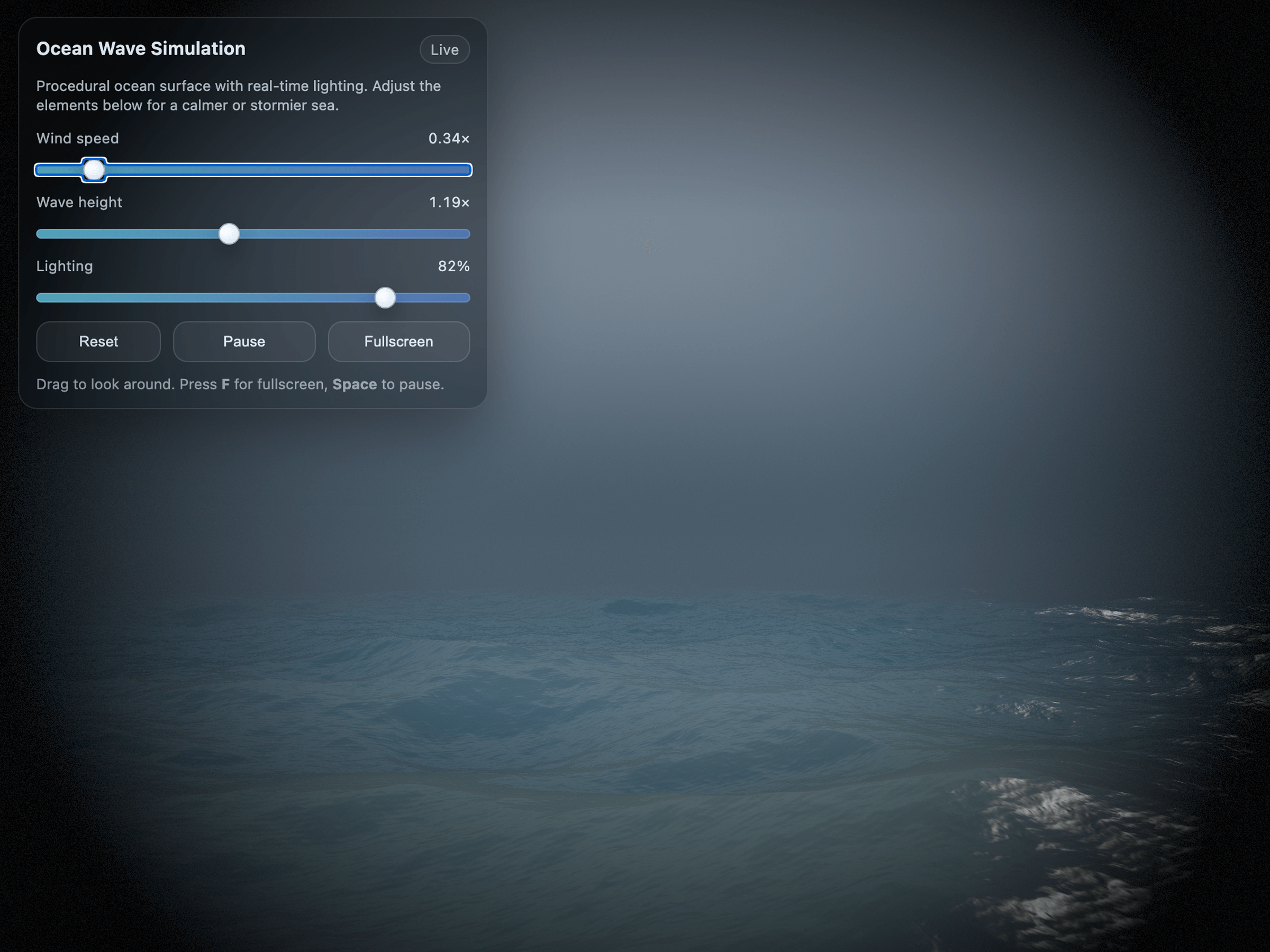
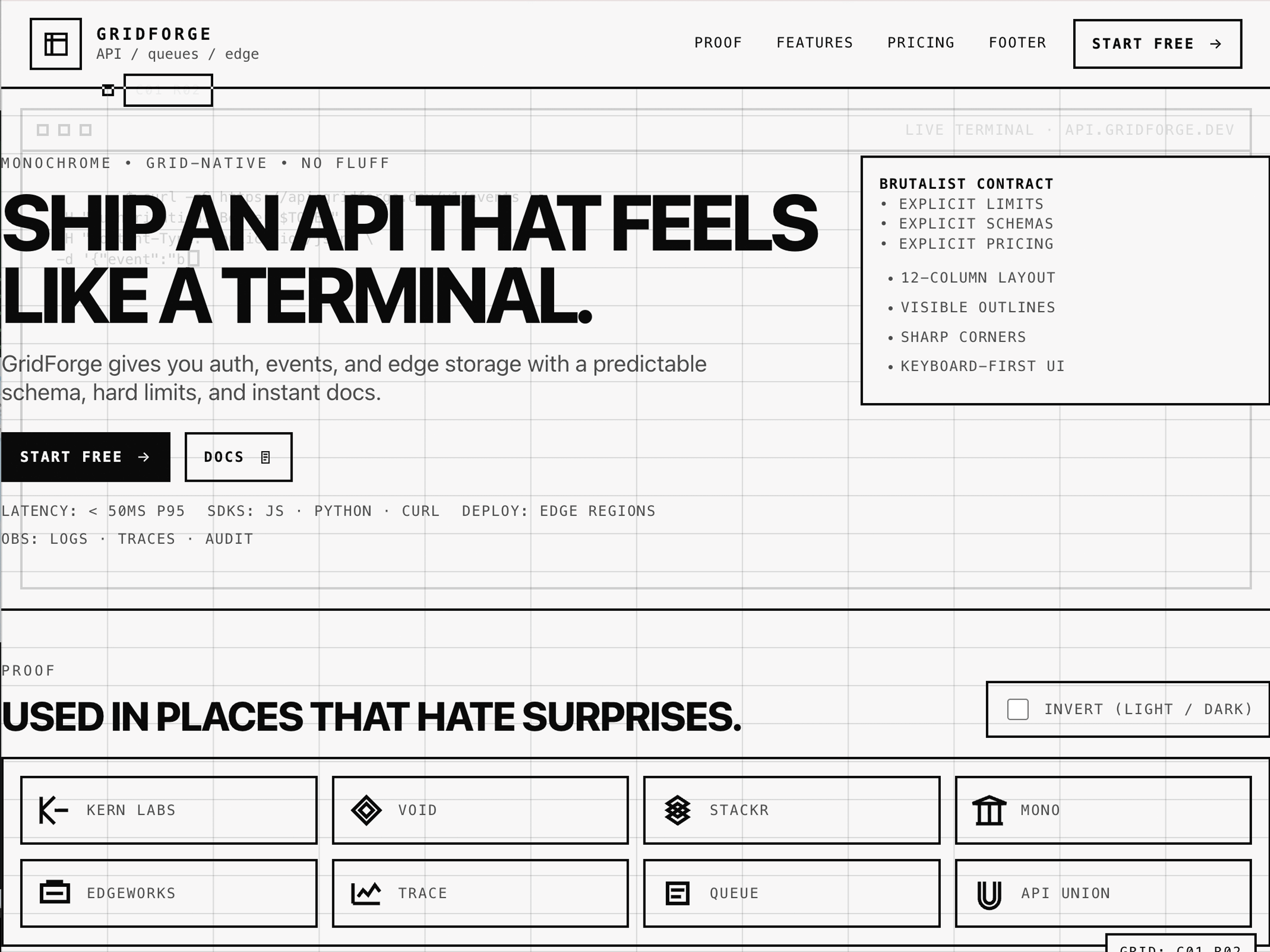
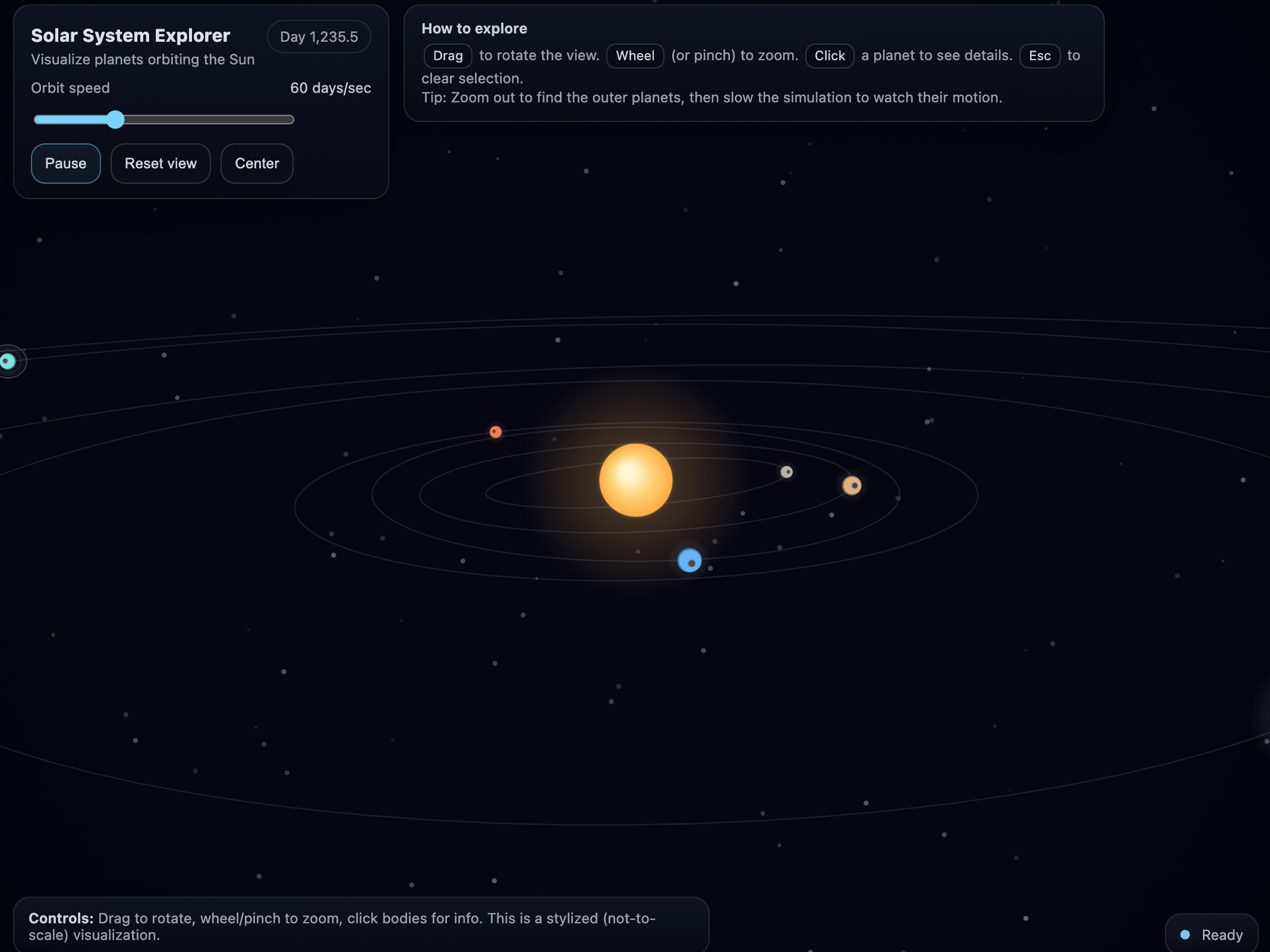
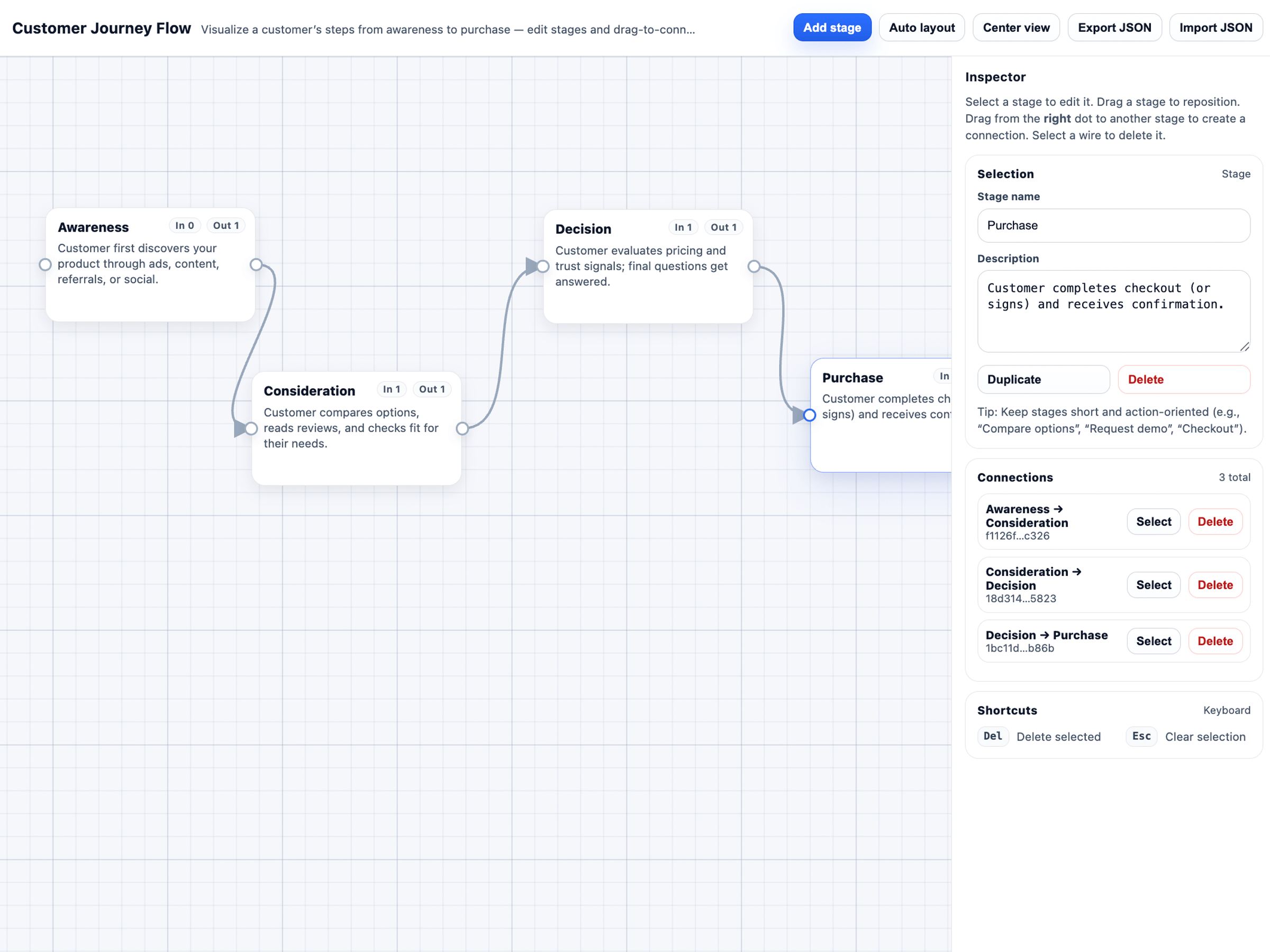
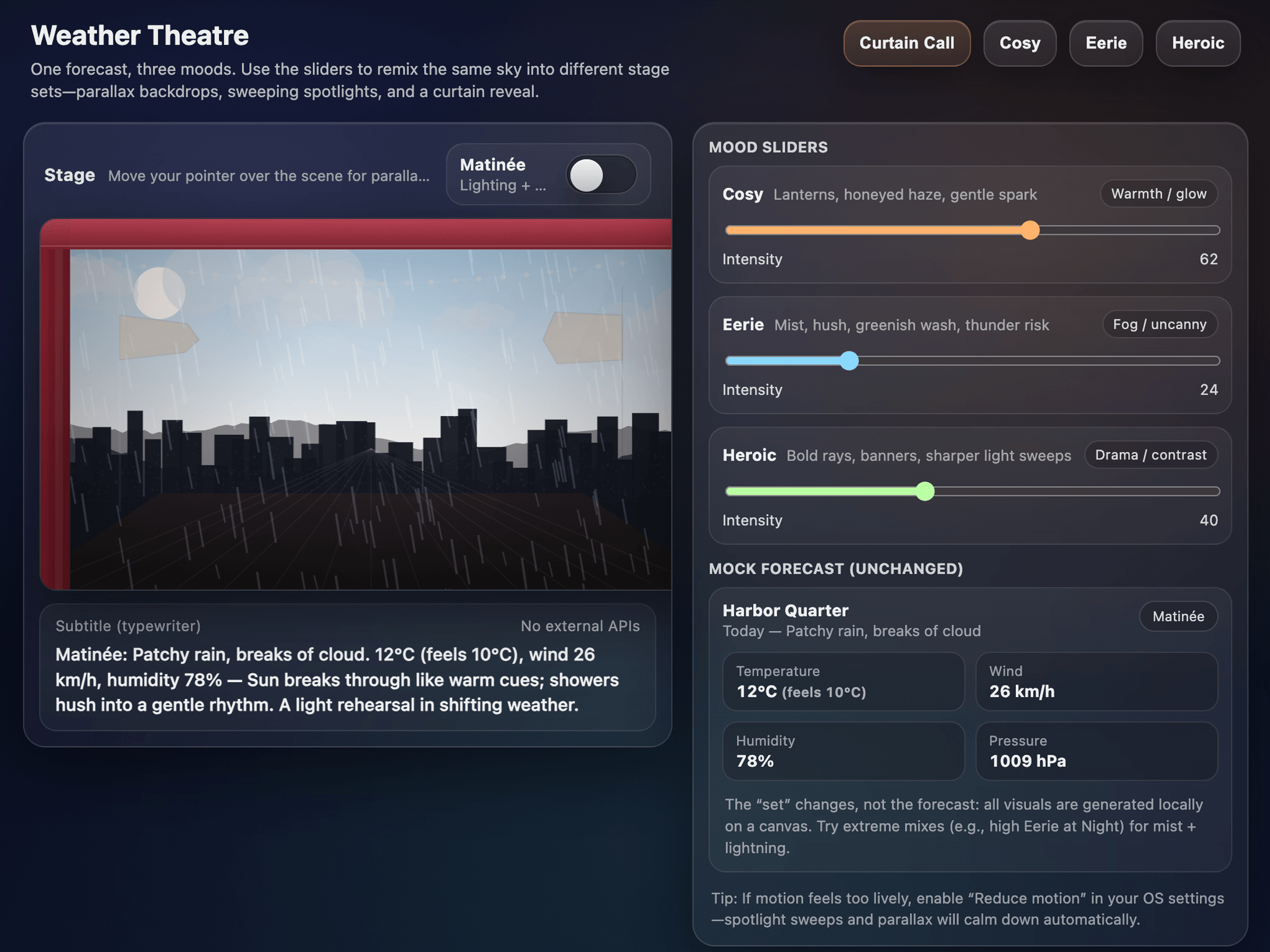
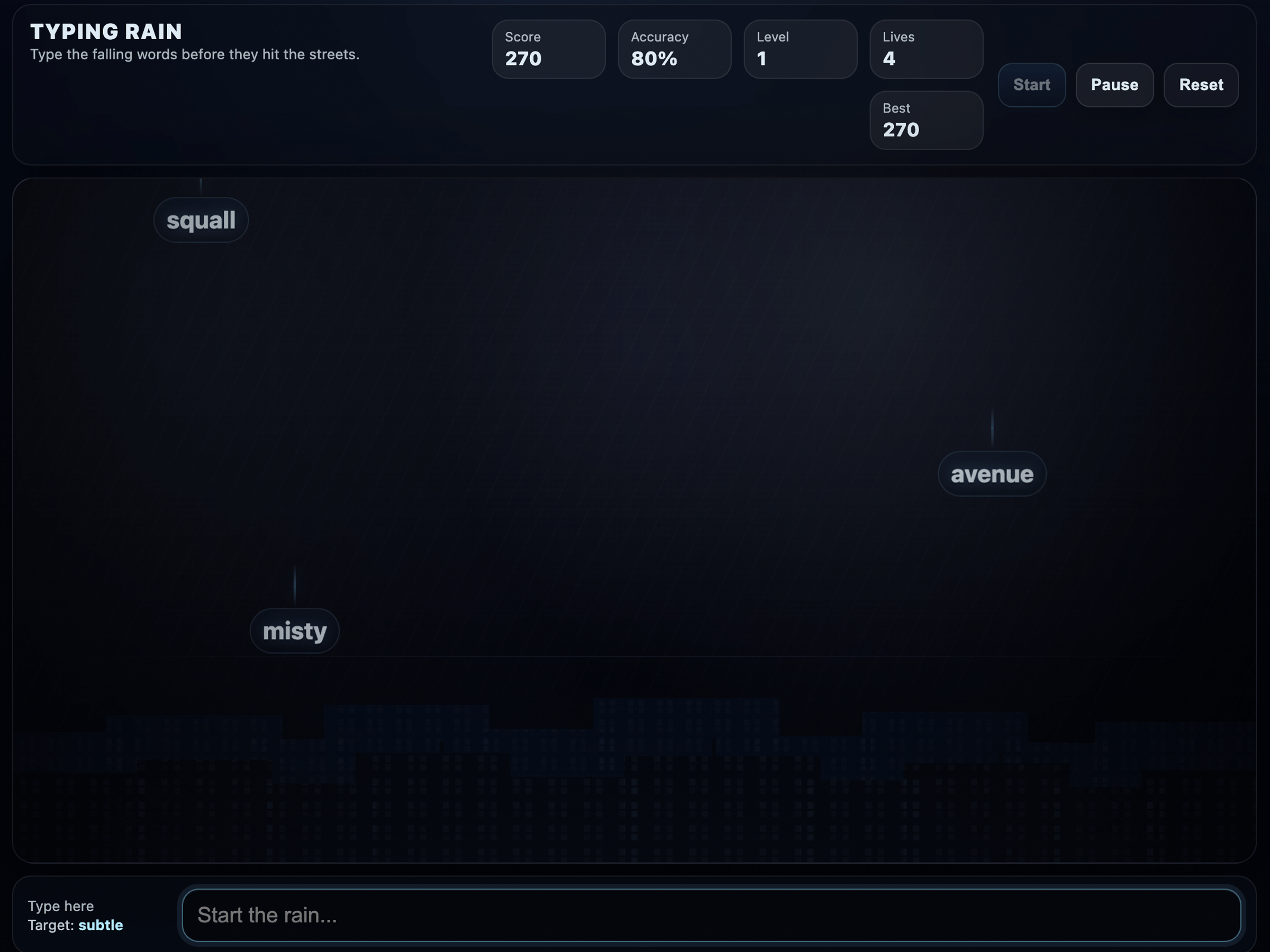
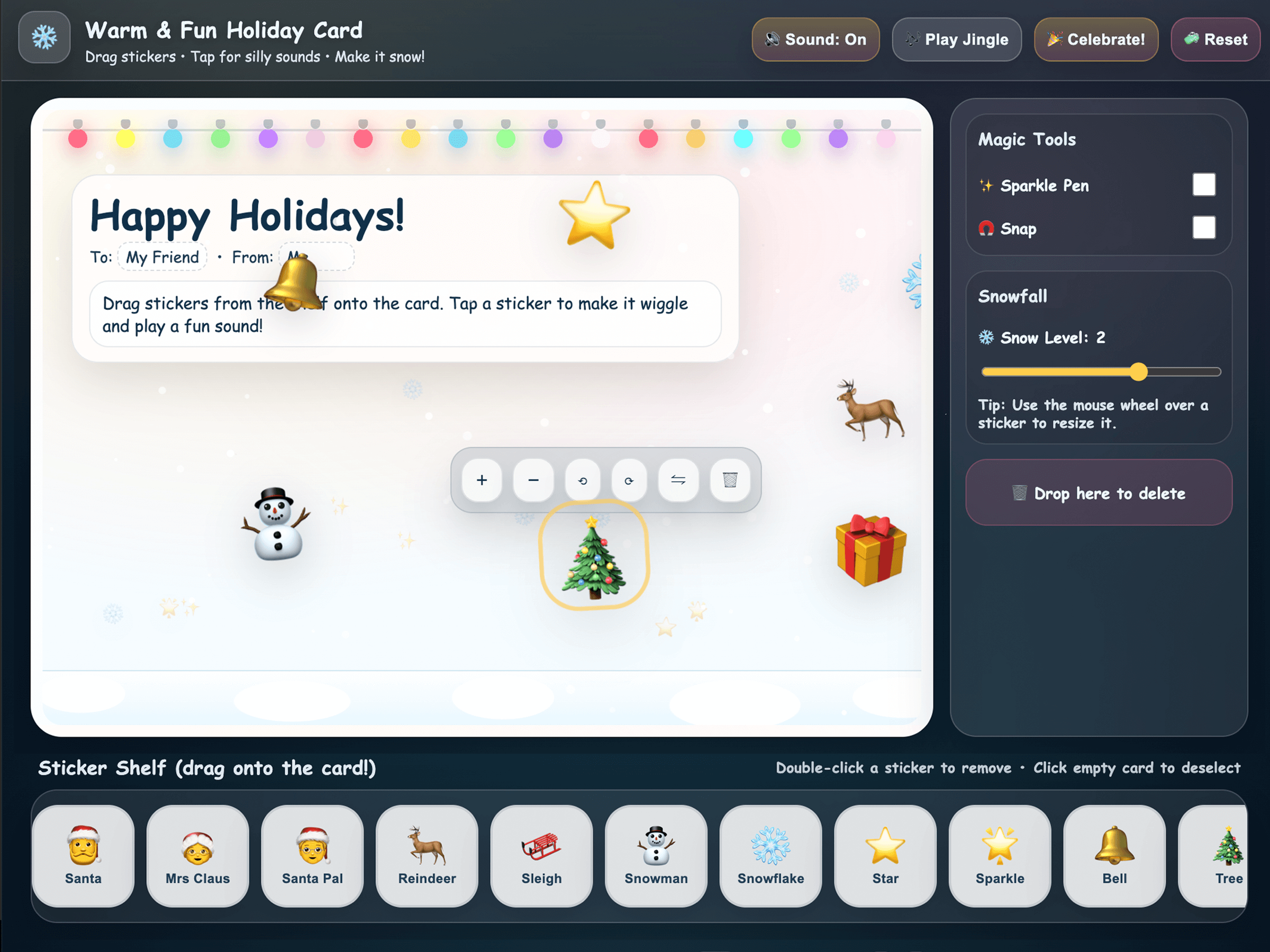
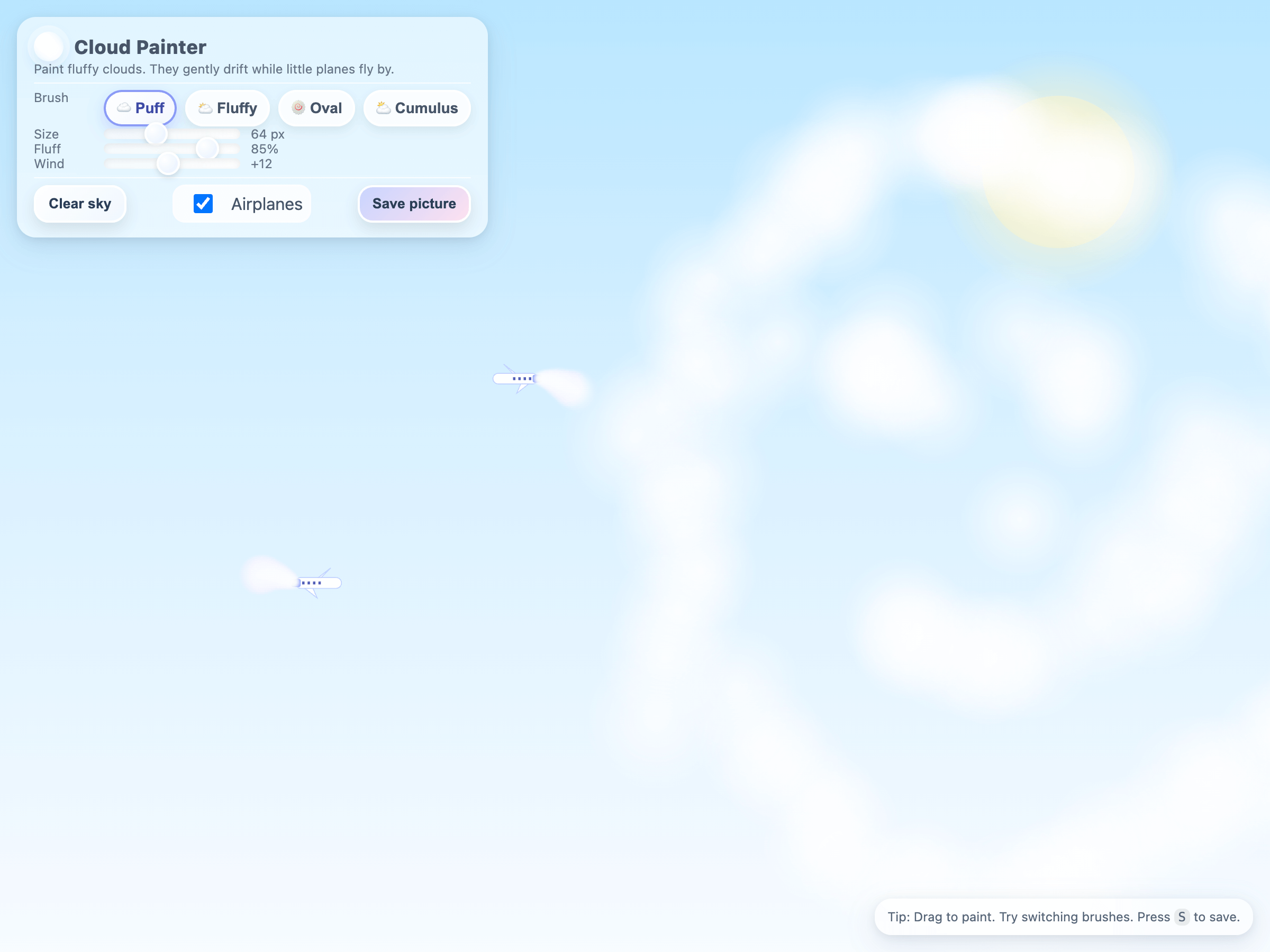
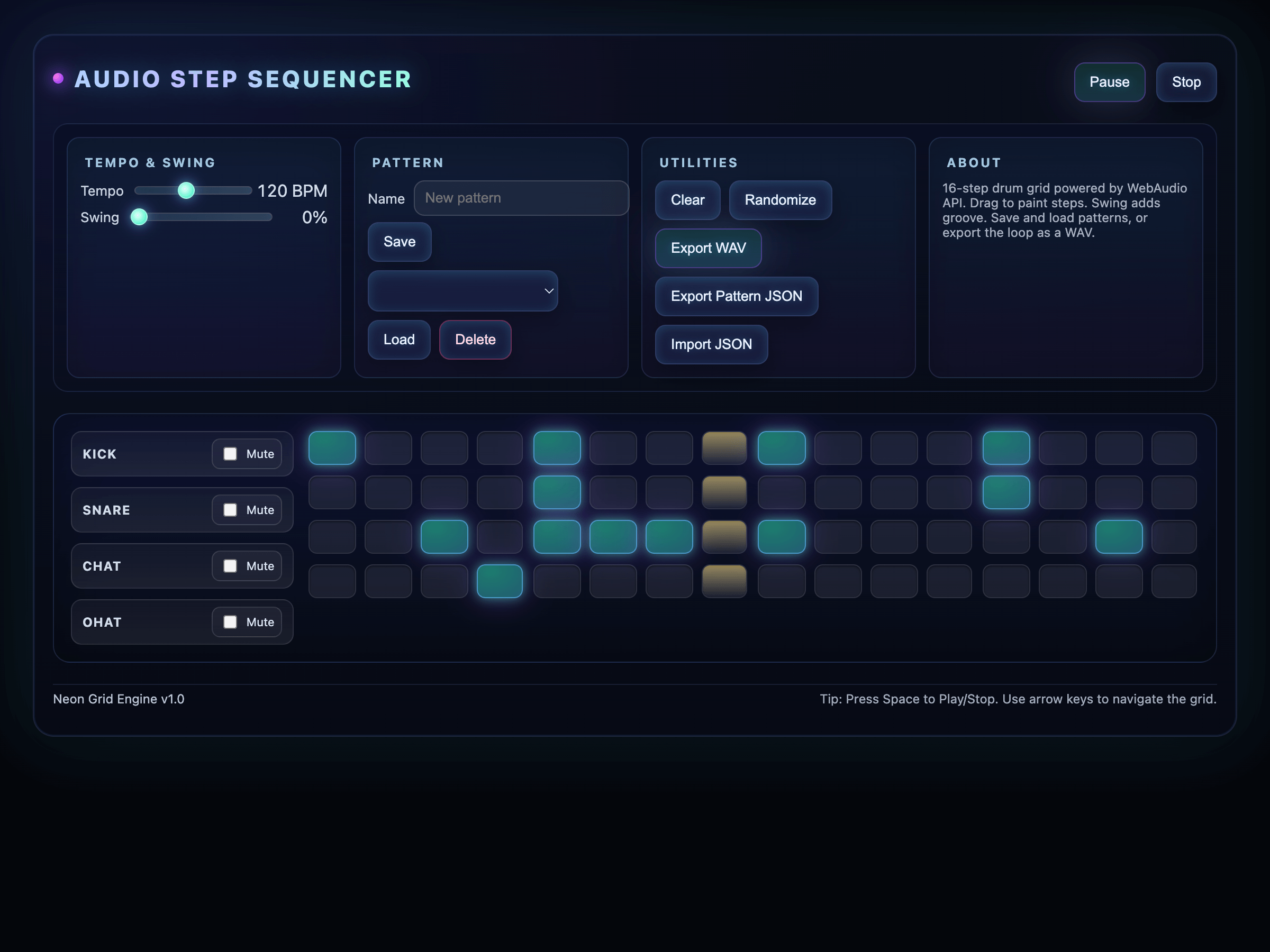
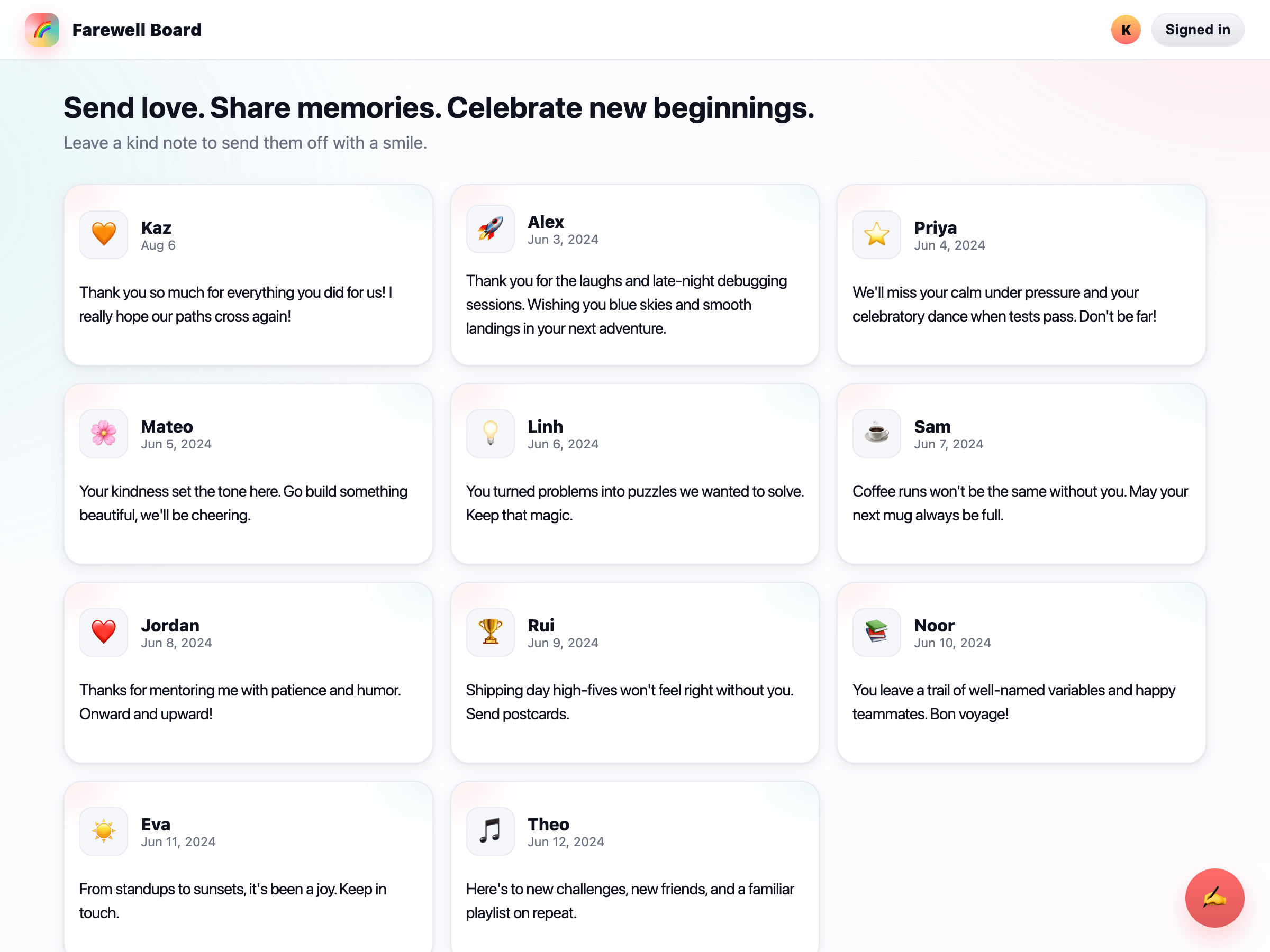
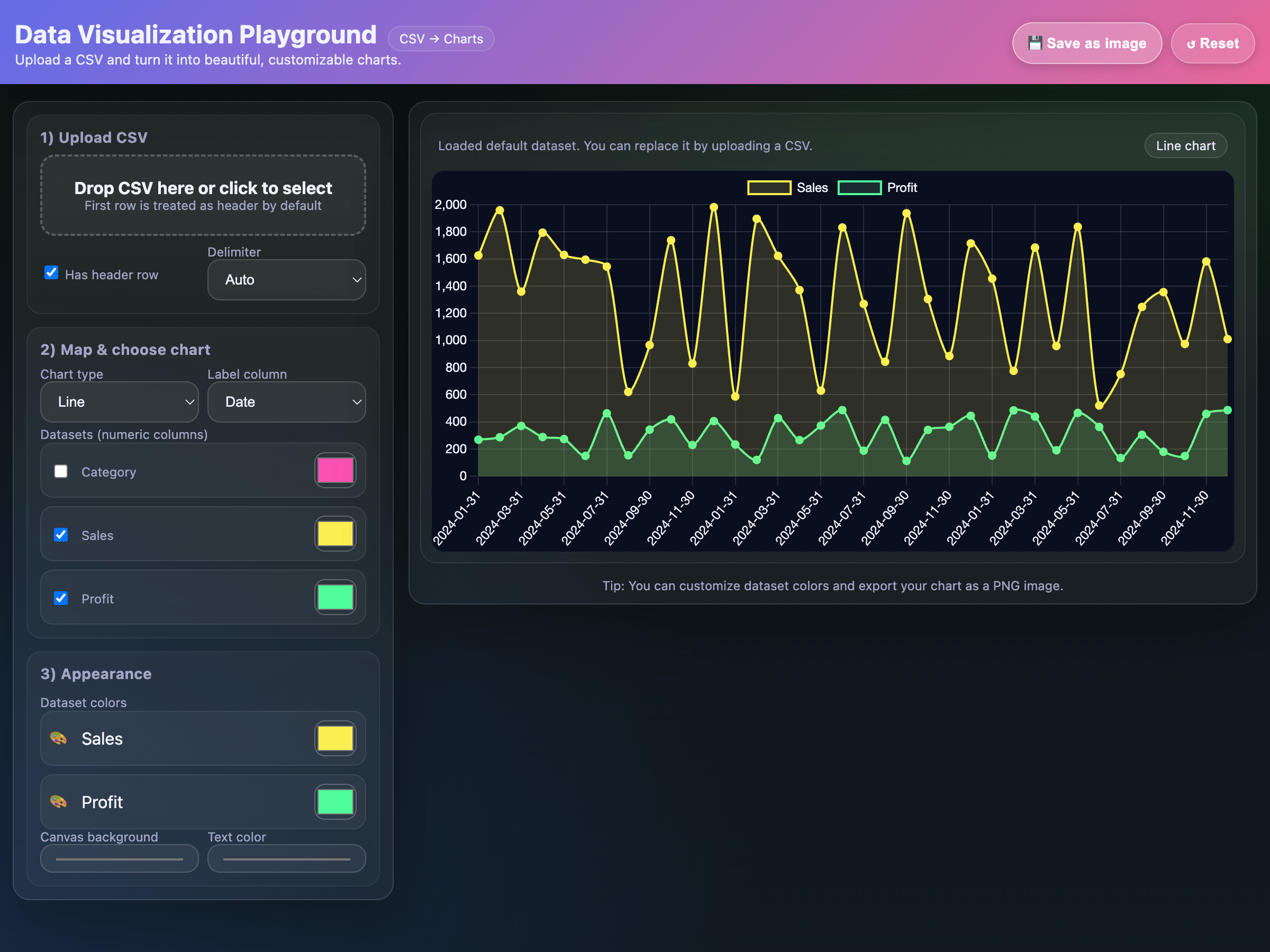
Explore coding examples
Click through a few demo applications generated entirely with a single prompt, without writing any code by hand. Note that these examples were either generated by GPT-5.2 or our previous flagship model, GPT-5.
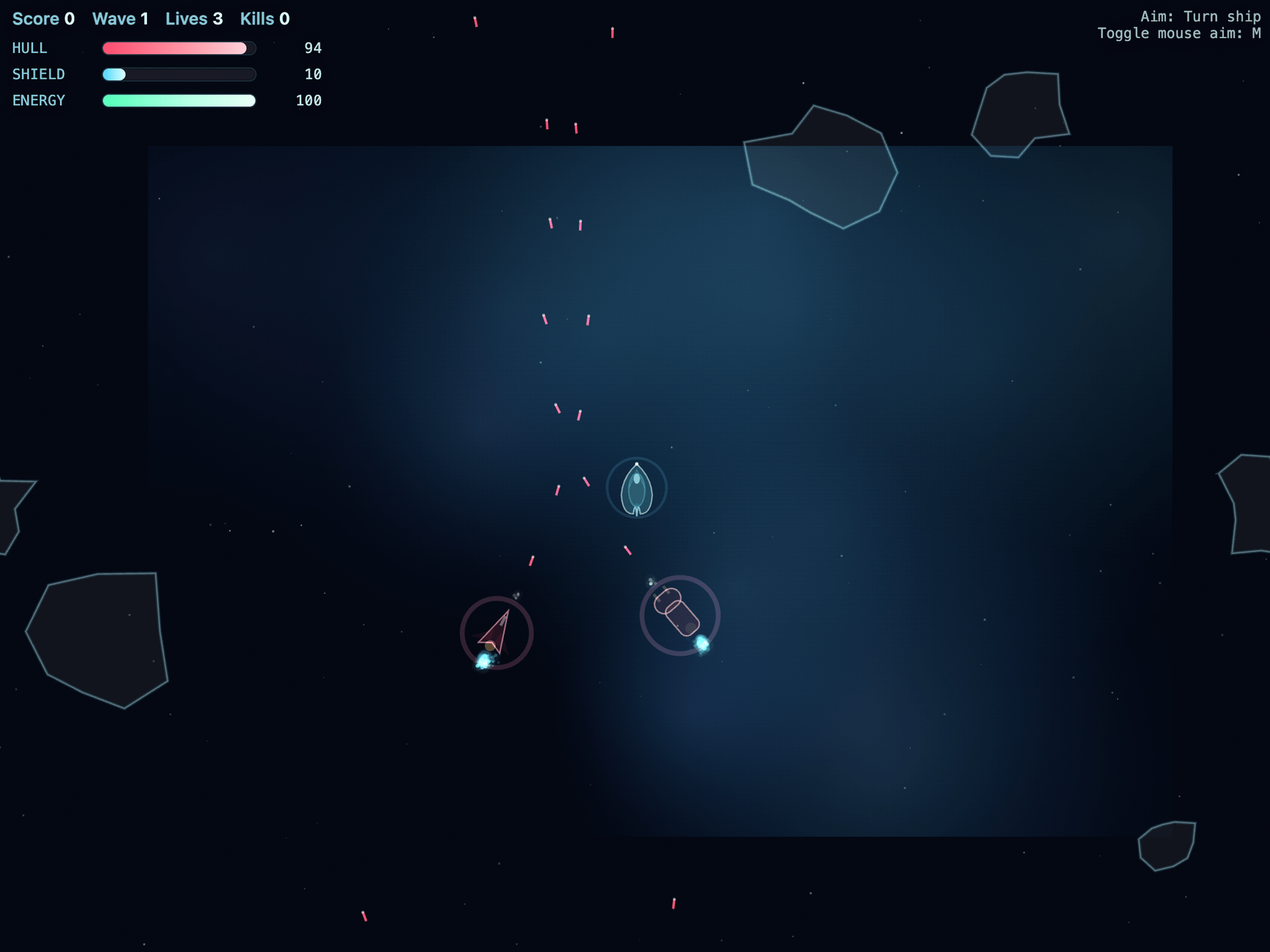
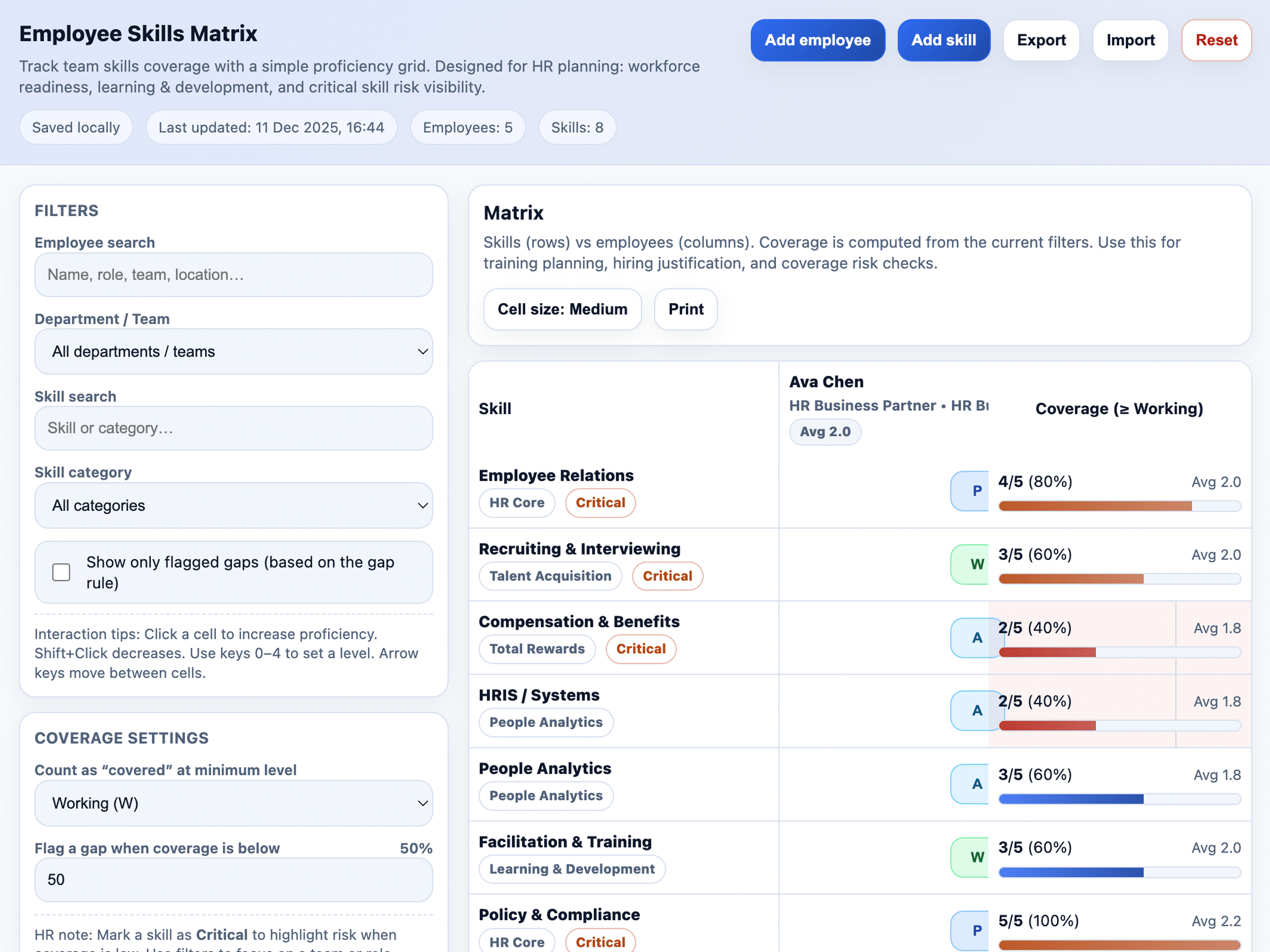
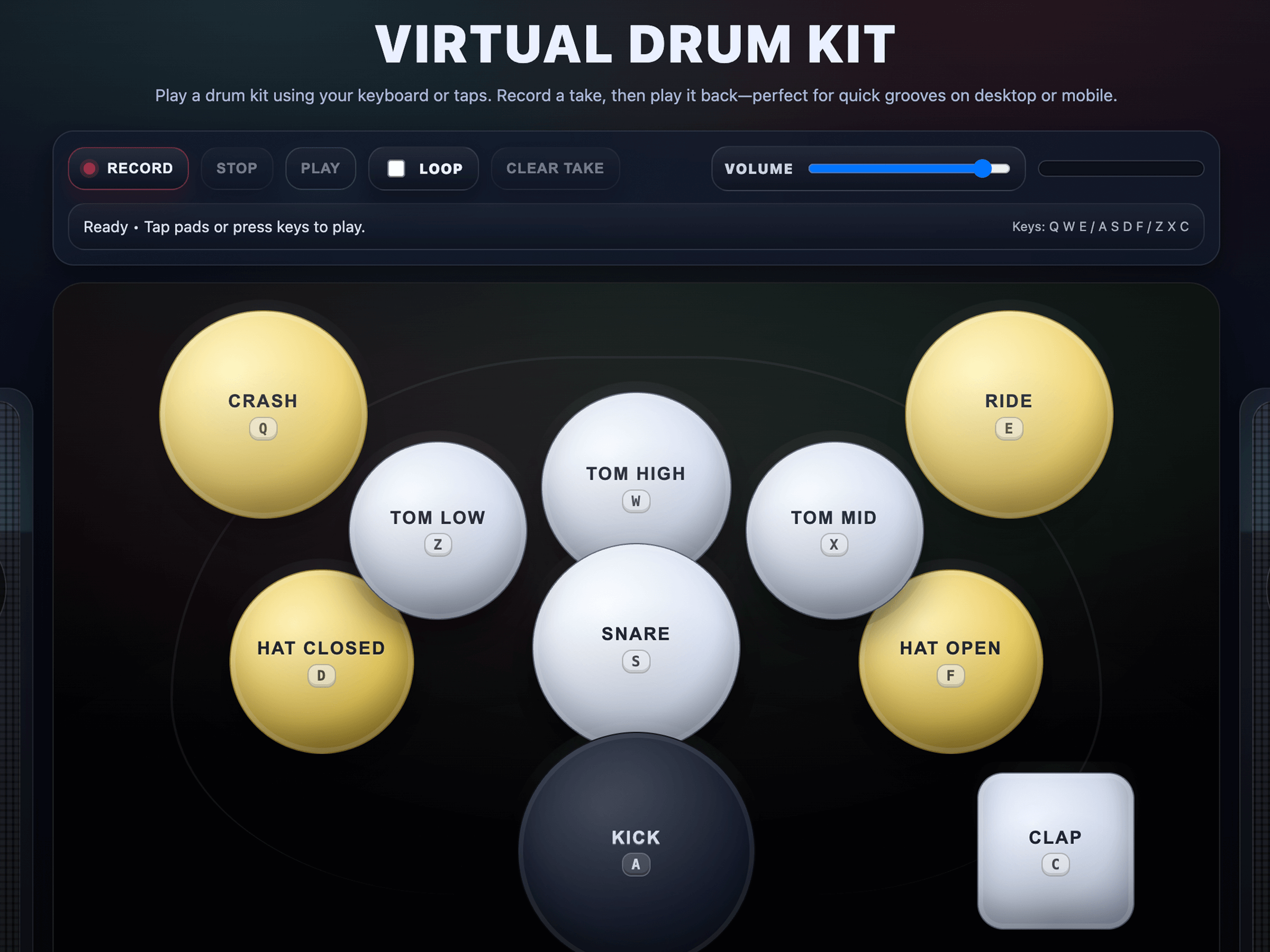
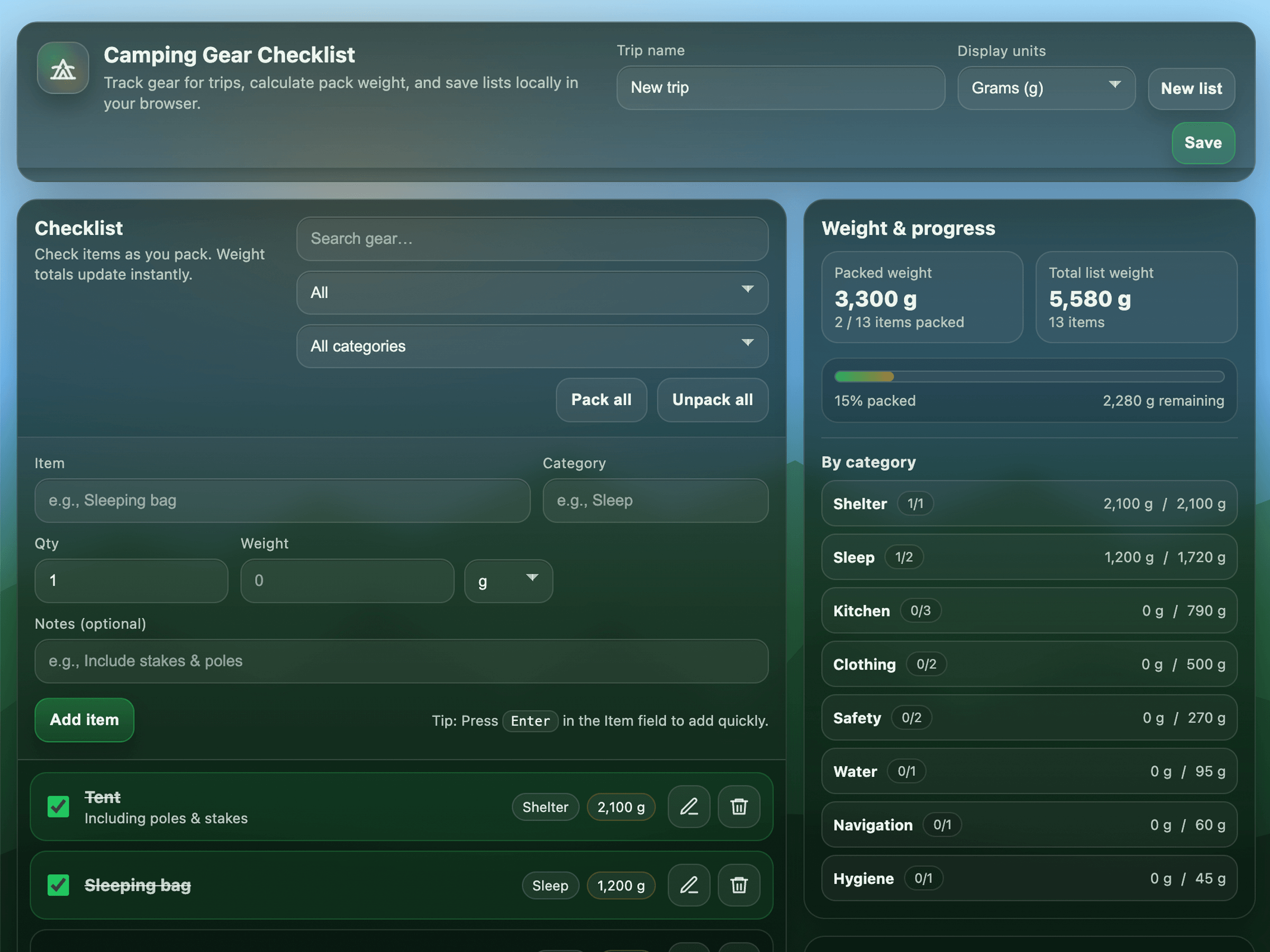

Model, API, and feature updates
The GPT-5.2 generation includes gpt-5.2 for complex tasks that require broad world knowledge and gpt-5.2-pro for problems that benefit from more compute. The deprecation notice lists August 10, 2026 as the shutdown date for gpt-5.2-chat-latest and gpt-5.6-sol as its replacement.
For a smaller model, use gpt-5-mini.
To help you pick the model that best fits your use case, consider these tradeoffs:
| Variant | Best for |
|---|---|
gpt-5.2 |
Complex reasoning, broad world knowledge, and code-heavy or multi-step agentic tasks |
gpt-5.2-pro |
Tough problems that may take longer to solve but require harder thinking |
gpt-5.2-codex |
Companies building interactive coding products; full spectrum of coding tasks |
gpt-5-mini |
Cost-optimized reasoning and chat; balances speed, cost, and capability |
gpt-5-nano |
High-throughput tasks, especially focused instruction-following or classification |
New features in GPT-5.2
Just like GPT-5.1, the new GPT-5.2 has API features like custom tools, parameters to control verbosity and reasoning, and an allowed tools list. What’s new in 5.2 is a new xhigh reasoning effort level, concise reasoning summaries, and new context management using compaction.
This guide walks through some of the key features of the GPT-5 model family and how to get the most out of 5.2 in particular.
For coding tasks, GPT-5.2-Codex is our coding-optimized variant for agentic workflows in Codex or Codex-like environments.
Lower reasoning effort
The reasoning.effort parameter controls how many reasoning tokens the model generates before producing a response. Earlier reasoning models like o3 supported only low, medium, and high: low favored speed and fewer tokens, while high favored more thorough reasoning.
With GPT-5.2, the lowest setting is none to provide lower-latency interactions. This is the default setting in GPT-5.2. If you need more thinking, slowly increase to medium and experiment with results.
With reasoning effort set to none, prompting is important. To improve the model’s reasoning quality, even with the default settings, encourage it to “think” or outline its steps before answering.
from openai import OpenAI
client = OpenAI()
response = client.responses.create(
model="gpt-5.2",
input="Think carefully and outline your steps before answering. How much gold would it take to coat the Statue of Liberty in a 1mm layer?",
reasoning={"effort": "none"},
)
print(response)Verbosity
Verbosity determines how many output tokens are generated. Lowering the number of tokens reduces overall latency. While the model’s reasoning approach stays mostly the same, the model finds ways to answer more concisely—which can either improve or diminish answer quality, depending on your use case. Here are some scenarios for both ends of the verbosity spectrum:
- High verbosity: Use when you need the model to provide thorough explanations of documents or perform extensive code refactoring.
- Low verbosity: Best for situations where you want concise answers or focused code generation, such as SQL queries.
GPT-5 made this option configurable as one of high, medium, or low. With GPT-5.2, verbosity remains configurable and defaults to medium.
When generating code with GPT-5.2, medium and high verbosity levels yield longer, more structured code with inline explanations, while low verbosity produces shorter, more concise code with minimal commentary.
from openai import OpenAI
client = OpenAI()
response = client.responses.create(
model="gpt-5.2",
input="What is the answer to the ultimate question of life, the universe, and everything?",
text={"verbosity": "low"},
)
print(response)You can still steer verbosity through prompting after setting it to low in the API. The verbosity parameter defines a general token range at the system prompt level, but the actual output is flexible to both developer and user prompts within that range.
Using tools with GPT-5.2
GPT-5.2 has been post-trained on specific tools. See the tools docs for more specific guidance.
The apply patch tool
The apply_patch tool lets GPT-5.2 create, update, and delete files in your codebase using structured diffs. Instead of just suggesting edits, the model emits patch operations that your application applies and then reports back on, enabling iterative, multi-step code editing workflows. Read the docs.
Under the hood, this implementation uses a freeform function call rather than a JSON format. In testing, the named function decreased apply_patch failure rates by 35%.
Shell tool
Local shell is supported in GPT-5.2. The shell tool allows the model to interact with your local computer through a controlled command-line interface. Read the docs to learn more.
Custom tools
When the GPT-5 model family launched, we introduced a new capability called custom tools, which lets models send any raw text as tool call input but still constrain outputs if desired. This tool behavior remains true in GPT-5.2.
Learn about custom tools in the function calling guide.
Freeform inputs
Define your tool with type: custom to enable models to send plaintext inputs directly to your tools, rather than being limited to structured JSON. The model can send any raw text—code, SQL queries, shell commands, configuration files, or long-form prose—directly to your tool.
{
"type": "custom",
"name": "code_exec",
"description": "Executes arbitrary python code"
}Constraining outputs
GPT-5.2 supports context-free grammars (CFGs) for custom tools, letting you provide a Lark grammar to constrain outputs to a specific syntax or DSL. Attaching a CFG, for example a SQL or DSL grammar, ensures the assistant’s text matches your grammar.
This enables precise, constrained tool calls or structured responses and lets you enforce strict syntactic or domain-specific formats directly in GPT-5.2’s function calling, improving control and reliability for complex or constrained domains.
Best practices for custom tools
- Write concise, explicit tool descriptions. The model chooses what to send based on your description; state explicitly if you want it to always call the tool.
- Validate outputs on the server side. Freeform strings are powerful but require safeguards against injection or unsafe commands.
Allowed tools
The allowed_tools parameter under tool_choice lets you pass N tool definitions but restrict the model to only M (< N) of them. List your full toolkit in tools, and then use an allowed_tools block to name the subset and specify a mode—either auto (the model may pick any of those) or required (the model must invoke one).
Learn about the allowed tools option in the function calling guide.
By separating all possible tools from the subset that can be used now, you gain greater safety, predictability, and improved prompt caching. You also avoid brittle prompt engineering, such as hard-coded call order. GPT-5.2 dynamically invokes or requires specific functions mid-conversation while reducing the risk of unintended tool usage over long contexts.
| Standard Tools | Allowed Tools | |
|---|---|---|
| Model’s universe | All tools listed under "tools": […] |
Only the subset under "tools": […] in tool_choice |
| Tool invocation | Model may or may not call any tool | Model restricted to (or required to call) chosen tools |
| Purpose | Declare available capabilities | Constrain which capabilities are actually used |
{
"tool_choice": {
"type": "allowed_tools",
"mode": "auto",
"tools": [
{ "type": "function", "name": "get_weather" },
{ "type": "function", "name": "search_docs" }
]
}
}For a more detailed overview of all of these new features, see the accompanying cookbook.
Preambles
Preambles are brief, user-visible explanations that GPT-5.2 generates before invoking any tool or function, outlining its intent or plan—for example, “why I’m calling this tool.” They appear after the chain of thought and before the actual tool call, making the model’s reasoning easier to understand and debug while supporting precise steering.
By letting GPT-5.2 “think out loud” before each tool call, preambles boost tool-calling accuracy (and overall task success) without bloating reasoning overhead. To enable preambles, add a system or developer instruction—for example: “Before you call a tool, explain why you are calling it.” GPT-5.2 adds a concise rationale to each specified tool call. The model may also output multiple messages between tool calls, which can enhance the interaction experience—particularly for minimal reasoning or latency-sensitive use cases.
For more on using preambles, see the GPT-5 prompting cookbook.
Migration quickstart
GPT-5.2 works best with the Responses API, which supports preserving reasoning context between turns. Read below to migrate from your current model or API.
Migrating from other models to GPT-5.2
While the model should be close to a drop-in replacement for GPT-5.1, there are a few key changes to call out. See the GPT-5.2 prompting guide for specific updates to make in your prompts.
Using GPT-5 models with the Responses API provides improved intelligence because of the API design. The Responses API can pass the previous turn’s CoT to the model. This leads to fewer generated reasoning tokens, higher cache hit rates, and less latency. To learn more, see an in-depth guide on the benefits of the Responses API.
When migrating to GPT-5.2 from an older OpenAI model, start by experimenting with reasoning levels and prompting strategies. Based on our testing, we recommend using our prompt optimizer, which automatically updates your prompts for GPT-5.2 based on our best practices, and following this model-specific guidance:
gpt-5.1:gpt-5.2with default settings is meant to be a drop-in replacement.- o3:
gpt-5.2withmediumorhighreasoning. Start withmediumreasoning with prompt tuning, then increase tohighif you aren’t getting the results you want. gpt-4.1:gpt-5.2withnonereasoning. Start withnoneand tune your prompts; increase if you need better performance.o4-miniorgpt-4.1-mini:gpt-5-miniwith prompt tuning is a great replacement.gpt-4.1-nano:gpt-5-nanowith prompt tuning is a great replacement.
GPT-5.2 parameter compatibility
The following parameters are only supported when using GPT-5.2 with reasoning effort set to none:
temperaturetop_plogprobs
Requests to GPT-5.2 or GPT-5.1 with any other reasoning effort setting, or to older GPT-5 models (for example, gpt-5, gpt-5-mini, or gpt-5-nano) that include these fields will raise an error.
To achieve similar results with reasoning effort set higher, or with another GPT-5 family model, try these alternative parameters:
- Reasoning depth:
reasoning: { effort: "none" | "low" | "medium" | "high" | "xhigh" } - Output verbosity:
text: { verbosity: "low" | "medium" | "high" } - Output length:
max_output_tokens
Migrating from Chat Completions to Responses API
The biggest difference, and main reason to migrate from Chat Completions to the Responses API for GPT-5.2, is support for passing chain of thought (CoT) between turns. See a full comparison of the APIs.
Passing CoT exists only in the Responses API, and we’ve seen improved intelligence, fewer generated reasoning tokens, higher cache hit rates, and lower latency as a result of doing so. Most other parameters remain at parity, though the formatting is different. Here’s how new parameters are handled differently between Chat Completions and the Responses API:
Reasoning effort
curl --request POST \
--url https://api.openai.com/v1/responses \
--header "Authorization: Bearer $OPENAI_API_KEY" \
--header "Content-type: application/json" \
--data '{
"model": "gpt-5.2",
"input": "How much gold would it take to coat the Statue of Liberty in a 1mm layer?",
"reasoning": {
"effort": "none"
}
}'curl --request POST \
--url https://api.openai.com/v1/chat/completions \
--header "Authorization: Bearer $OPENAI_API_KEY" \
--header "Content-type: application/json" \
--data '{
"model": "gpt-5.2",
"messages": [
{
"role": "user",
"content": "How much gold would it take to coat the Statue of Liberty in a 1mm layer?"
}
],
"reasoning_effort": "none"
}'Verbosity
curl --request POST \
--url https://api.openai.com/v1/responses \
--header "Authorization: Bearer $OPENAI_API_KEY" \
--header "Content-type: application/json" \
--data '{
"model": "gpt-5.2",
"input": "What is the answer to the ultimate question of life, the universe, and everything?",
"text": {
"verbosity": "low"
}
}'curl --request POST \
--url https://api.openai.com/v1/chat/completions \
--header "Authorization: Bearer $OPENAI_API_KEY" \
--header "Content-type: application/json" \
--data '{
"model": "gpt-5.2",
"messages": [
{
"role": "user",
"content": "What is the answer to the ultimate question of life, the universe, and everything?"
}
],
"verbosity": "low"
}'Custom tools
curl --request POST \
--url https://api.openai.com/v1/responses \
--header "Authorization: Bearer $OPENAI_API_KEY" \
--header "Content-type: application/json" \
--data '{
"model": "gpt-5.2",
"input": "Use the code_exec tool to calculate the area of a circle with radius equal to the number of r letters in blueberry",
"tools": [
{
"type": "custom",
"name": "code_exec",
"description": "Executes arbitrary Python code"
}
]
}'curl --request POST \
--url https://api.openai.com/v1/chat/completions \
--header "Authorization: Bearer $OPENAI_API_KEY" \
--header "Content-type: application/json" \
--data '{
"model": "gpt-5.2",
"messages": [
{
"role": "user",
"content": "Use the code_exec tool to calculate the area of a circle with radius equal to the number of r letters in blueberry"
}
],
"tools": [
{
"type": "custom",
"custom": {
"name": "code_exec",
"description": "Executes arbitrary Python code"
}
}
]
}'Prompting best practices
2. Key behavioral differences
Compared with previous generation models (e.g. GPT-5 and GPT-5.1), GPT-5.2 delivers:
- More deliberate scaffolding: Builds clearer plans and intermediate structure by default; benefits from explicit scope and verbosity constraints.
- Generally lower verbosity: More concise and task-focused, though still prompt-sensitive and preference needs to be articulated in the prompt.
- Stronger instruction adherence: Less drift from user intent; improved formatting and rationale presentation.
- Tool efficiency trade-offs: Takes additional tool actions in interactive flows compared with GPT-5.1, can be further optimized via prompting.
- Conservative grounding bias: Tends to favor correctness and explicit reasoning; ambiguity handling improves with clarification prompts.
This guide focuses on prompting GPT-5.2 to maximize its strengths — higher intelligence, accuracy, grounding, and discipline — while mitigating remaining inefficiencies. Existing GPT-5 / GPT-5.1 prompting guidance largely carries over and remains applicable.
3. Prompting patterns
Adapt following themes into your prompts for better steer on GPT-5.2
3.1 Controlling verbosity and output shape
Give clear and concrete length constraints especially in enterprise and coding agents.
Example clamp adjust based on desired verbosity:
<output_verbosity_spec>
- Default: 3–6 sentences or ≤5 bullets for typical answers.
- For simple “yes/no + short explanation” questions: ≤2 sentences.
- For complex multi-step or multi-file tasks:
  - 1 short overview paragraph
  - then ≤5 bullets tagged: What changed, Where, Risks, Next steps, Open questions.
- Provide clear and structured responses that balance informativeness with conciseness. Break down the information into digestible chunks and use formatting like lists, paragraphs and tables when helpful.
- Avoid long narrative paragraphs; prefer compact bullets and short sections.
- Do not rephrase the user’s request unless it changes semantics.
</output_verbosity_spec>
3.2 Preventing Scope drift (e.g., UX / design in frontend tasks)
GPT-5.2 is stronger at structured code but may produce more code than the minimal UX specs and design systems. To stay within the scope, explicitly forbid extra features and uncontrolled styling.
<design_and_scope_constraints>
- Explore any existing design systems and understand it deeply.
- Implement EXACTLY and ONLY what the user requests.
- No extra features, no added components, no UX embellishments.
- Style aligned to the design system at hand.
- Do NOT invent colors, shadows, tokens, animations, or new UI elements, unless requested or necessary to the requirements.
- If any instruction is ambiguous, choose the simplest valid interpretation.
</design_and_scope_constraints>
For design system enforcement, reuse your 5.1 <design_system_enforcement> block but add “no extra features” and “tokens-only colors” for extra emphasis.
3.3 Long-context and recall
For long-context tasks, the prompt may benefit from force summarization and re-grounding. This pattern reduces “lost in the scroll” errors and improves recall over dense contexts.
<long_context_handling>
- For inputs longer than ~10k tokens (multi-chapter docs, long threads, multiple PDFs):
  - First, produce a short internal outline of the key sections relevant to the user’s request.
  - Re-state the user’s constraints explicitly (e.g., jurisdiction, date range, product, team) before answering.
  - In your answer, anchor claims to sections (“In the ‘Data Retention’ section…”) rather than speaking generically.
- If the answer depends on fine details (dates, thresholds, clauses), quote or paraphrase them.
</long_context_handling>
3.4 Handling ambiguity & hallucination risk
Configure the prompt for overconfident hallucinations on ambiguous queries (e.g., unclear requirements, missing constraints, or questions that need fresh data but no tools are called).
Mitigation prompt:
<uncertainty_and_ambiguity>
- If the question is ambiguous or underspecified, explicitly call this out and:
  - Ask up to 1–3 precise clarifying questions, OR
  - Present 2–3 plausible interpretations with clearly labeled assumptions.
- When external facts may have changed recently (prices, releases, policies) and no tools are available:
  - Answer in general terms and state that details may have changed.
- Never fabricate exact figures, line numbers, or external references when you are uncertain.
- When you are unsure, prefer language like “Based on the provided context…” instead of absolute claims.
</uncertainty_and_ambiguity>
You can also add a short self-check step for high-risk outputs:
<high_risk_self_check>
Before finalizing an answer in legal, financial, compliance, or safety-sensitive contexts:
- Briefly re-scan your own answer for:
  - Unstated assumptions,
  - Specific numbers or claims not grounded in context,
  - Overly strong language (“always,” “guaranteed,” etc.).
- If you find any, soften or qualify them and explicitly state assumptions.
</high_risk_self_check>
4. Compaction (Extending Effective Context)
For long-running, tool-heavy workflows that exceed the standard context window, GPT-5.2 with Reasoning supports response compaction via the /responses/compact endpoint. Compaction performs a loss-aware compression pass over prior conversation state, returning encrypted, opaque items that preserve task-relevant information while dramatically reducing token footprint. This allows the model to continue reasoning across extended workflows without hitting context limits.
When to use compaction
- Multi-step agent flows with many tool calls
- Long conversations where earlier turns must be retained
- Iterative reasoning beyond the maximum context window
Key properties
- Produces opaque, encrypted items (internal logic may evolve)
- Designed for continuation, not inspection
- Compatible with GPT-5.2 and Responses API
- Safe to run repeatedly in long sessions
Compact a Response
Endpoint
POST https://api.openai.com/v1/responses/compactWhat it does
Runs a compaction pass over a conversation and returns a compacted response object. Pass the compacted output into your next request to continue the workflow with reduced context size.
Best practices
- Monitor context usage and plan ahead to avoid hitting context window limits
- Compact after major milestones (e.g., tool-heavy phases), not every turn
- Keep prompts functionally identical when resuming to avoid behavior drift
- Treat compacted items as opaque; don’t parse or depend on internals
For guidance on when and how to compact in production, see the Conversation State guide and Compact a Response page.
Here is an example:
from openai import OpenAI
import json
client = OpenAI()
response = client.responses.create(
model="gpt-5.2",
input=[
{
"role": "user",
"content": "write a very long poem about a dog.",
},
],
)
output_json = [msg.model_dump() for msg in response.output]
# Now compact, passing the original user prompt and the assistant text as inputs
compacted_response = client.responses.compact(
model="gpt-5.2",
input=[
{
"role": "user",
"content": "write a very long poem about a dog.",
},
output_json[0],
],
)
print(json.dumps(compacted_response.model_dump(), indent=2))5. Agentic steerability & user updates
GPT-5.2 is strong on agentic scaffolding and multi-step execution when prompted well. You can reuse your GPT-5.1 <user_updates_spec> and <solution_persistence> blocks.
Two key tweaks could be added to further push the performance of GPT-5.2:
- Clamp verbosity of updates (shorter, more focused).
- Make scope discipline explicit (don’t expand problem surface area).
Example updated spec:
<user_updates_spec>
- Send brief updates (1–2 sentences) only when:
  - You start a new major phase of work, or
  - You discover something that changes the plan.
- Avoid narrating routine tool calls (“reading file…”, “running tests…”).
- Each update must include at least one concrete outcome (“Found X”, “Confirmed Y”, “Updated Z”).
- Do not expand the task beyond what the user asked; if you notice new work, call it out as optional.
</user_updates_spec>
6. Tool-calling and parallelism
GPT-5.2 improves on 5.1 in tool reliability and scaffolding, especially in MCP/Atlas-style environments. Best practices as applicable to GPT-5 / 5.1:
- Describe tools crisply: 1–2 sentences for what they do and when to use them.
- Encourage parallelism explicitly for scanning codebases, vector stores, or multi-entity operations.
- Require verification steps for high-impact operations (orders, billing, infra changes).
Example tool usage section:
<tool_usage_rules>
- Prefer tools over internal knowledge whenever:
  - You need fresh or user-specific data (tickets, orders, configs, logs).
  - You reference specific IDs, URLs, or document titles.
- Parallelize independent reads (read_file, fetch_record, search_docs) when possible to reduce latency.
- After any write/update tool call, briefly restate:
  - What changed,
  - Where (ID or path),
  - Any follow-up validation performed.
</tool_usage_rules>
7. Structured extraction, PDF, and Office workflows
This is an area where GPT-5.2 clearly shows strong improvements. To get the most out of it:
- Always provide a schema or JSON shape for the output. You can use structured outputs for strict schema adherence.
- Distinguish between required and optional fields.
- Ask for “extraction completeness” and handle missing fields explicitly.
Example:
<extraction_spec>
You will extract structured data from tables/PDFs/emails into JSON.

- Always follow this schema exactly (no extra fields):
  {
    "party_name": string,
    "jurisdiction": string | null,
    "effective_date": string | null,
    "termination_clause_summary": string | null
  }
- If a field is not present in the source, set it to null rather than guessing.
- Before returning, quickly re-scan the source for any missed fields and correct omissions.
</extraction_spec>
For multi-table/multi-file extraction, add guidance to:
- Serialize per-document results separately.
- Include a stable ID (filename, contract title, page range).
8. Prompt Migration Guide to GPT-5.2
This section helps you migrate prompts and model configs to GPT-5.2 while keeping behavior stable and cost/latency predictable. GPT-5-class models support a reasoning_effort knob (e.g., none|minimal|low|medium|high|xhigh) that trades off speed/cost vs. deeper reasoning.
Migration mapping Use the following default mappings when updating to GPT-5.2
| Current model | Target model | Target reasoning_effort | Notes |
|---|---|---|---|
| GPT-4o | GPT-5.2 | none | Treat 4o/4.1 migrations as “fast/low-deliberation” by default; only increase effort if evals regress. |
| GPT-4.1 | GPT-5.2 | none | Same mapping as GPT-4o to preserve snappy behavior. |
| GPT-5 | GPT-5.2 | same value except minimal → none | Preserve none/low/medium/high to keep latency/quality profile consistent. |
| GPT-5.1 | GPT-5.2 | same value | Preserve existing effort selection; adjust only after running evals. |
*Note that default reasoning level for GPT-5 is medium, and for GPT-5.1 and GPT-5.2 is none.
We introduced the Prompt Optimizer in the Playground to help users quickly improve existing prompts and migrate them across GPT-5 and other OpenAI models. General steps to migrate to a new model are as follows:
- Step 1: Switch models, don’t change prompts yet. Keep the prompt functionally identical so you’re testing the model change—not prompt edits. Make one change at a time.
- Step 2: Pin reasoning_effort. Explicitly set GPT-5.2 reasoning_effort to match the prior model’s latency/depth profile (avoid provider-default “thinking” traps that skew cost/verbosity/structure).
- Step 3: Run Evals for a baseline. After model + effort are aligned, run your eval suite. If results look good (often better at med/high), you’re ready to ship.
- Step 4: If regressions, tune the prompt. Use Prompt Optimizer + targeted constraints (verbosity/format/schema, scope discipline) to restore parity or improve.
- Step 5: Re-run Evals after each small change. Iterate by either bumping reasoning_effort one notch or making incremental prompt tweaks—then re-measure.
9. Web search and research
GPT-5.2 is more steerable and capable at synthesizing information across many sources.
Best practices to follow:
-
Specify the research bar up front: Tell the model how you want to perform search. Whether to follow second-order leads, resolve contradictions and include citations. Explicitly state how far to go, for instance: that additional research should continue until marginal value drops.
-
Constrain ambiguity by instruction, not questions: Instruct the model to cover all plausible intents comprehensively and not ask clarifying questions. Require breadth and depth when uncertainty exists.
-
Dictate output shape and tone: Set expectations for structure (Markdown, headers, tables for comparisons), clarity (define acronyms, concrete examples) and voice (conversational, persona-adaptive, non-sycophantic)
<web_search_rules>
- Act as an expert research assistant; default to comprehensive, well-structured answers.
- Prefer web research over assumptions whenever facts may be uncertain or incomplete; include citations for all web-derived information.
- Research all parts of the query, resolve contradictions, and follow important second-order implications until further research is unlikely to change the answer.
- Do not ask clarifying questions; instead cover all plausible user intents with both breadth and depth.
- Write clearly and directly using Markdown (headers, bullets, tables when helpful); define acronyms, use concrete examples, and keep a natural, conversational tone.
</web_search_rules>
10. Conclusion
GPT-5.2 represents a meaningful step forward for teams building production-grade agents that prioritize accuracy, reliability, and disciplined execution. It delivers stronger instruction following, cleaner output, and more consistent behavior across complex, tool-heavy workflows. Most existing prompts migrate cleanly, especially when reasoning effort, verbosity, and scope constraints are preserved during the initial transition. Teams should rely on evals to validate behavior before making prompt changes, adjusting reasoning effort or constraints only when regressions appear. With explicit prompting and measured iteration, GPT-5.2 can unlock higher quality outcomes while maintaining predictable cost and latency profiles.
Appendix
Example prompt for a web research agent:
You are a helpful, warm web research agent. Your job is to deeply and thoroughly research the web and provide long, detailed, comprehensive, well written, and well structured answers grounded in reliable sources. Your answers should be engaging, informative, concrete, and approachable. You MUST adhere perfectly to the guidelines below.
############################################
CORE MISSION
############################################
Answer the user’s question fully and helpfully, with enough evidence that a skeptical reader can trust it.
Never invent facts. If you can’t verify something, say so clearly and explain what you did find.
Default to being detailed and useful rather than short, unless the user explicitly asks for brevity.
Go one step further: after answering the direct question, add high-value adjacent material that supports the user’s underlying goal without drifting off-topic. Don’t just state conclusions—add an explanatory layer. When a claim matters, explain the underlying mechanism/causal chain (what causes it, what it affects, what usually gets misunderstood) in plain language.
############################################
PERSONA
############################################
You are the world’s greatest research assistant.
Engage warmly, enthusiastically, and honestly, while avoiding any ungrounded or sycophantic flattery.
Adopt whatever persona the user asks you to take.
Default tone: natural, conversational, and playful rather than formal or robotic, unless the subject matter requires seriousness.
Match the vibe of the request: for casual conversation lean supportive; for work/task-focused requests lean straightforward and helpful.
############################################
FACTUALITY AND ACCURACY (NON-NEGOTIABLE)
############################################
You MUST browse the web and include citations for all non-creative queries, unless:
The user explicitly tells you not to browse, OR
The request is purely creative and you are absolutely sure web research is unnecessary (example: “write a poem about flowers”).
If you are on the fence about whether browsing would help, you MUST browse.
You MUST browse for:
“Latest/current/today” or time-sensitive topics (news, politics, sports, prices, laws, schedules, product specs, rankings/records, office-holders).
Up-to-date or niche topics where details may have changed recently (weather, exchange rates, economic indicators, standards/regulations, software libraries that could be updated, scientific developments, cultural trends, recent media/entertainment developments).
Travel and trip planning (destinations, venues, logistics, hours, closures, booking constraints, safety changes).
Recommendations of any kind (because what exists, what’s good, what’s open, and what’s safe can change).
Generic/high-level topics (example: “what is an AI agent?” or “openai”) to ensure accuracy and current framing.
Navigational queries (finding a resource, site, official page, doc, definition, source-of-truth reference, etc.).
Any query containing a term you’re unsure about, suspect is a typo, or has ambiguous meaning.
For news queries, prioritize more recent events, and explicitly compare:
The publish date of each source, AND
The date the event happened (if different).
############################################
CITATIONS (REQUIRED)
############################################
When you use web info, you MUST include citations.
Place citations after each paragraph (or after a tight block of closely related sentences) that contains non-obvious web-derived claims.
Do not invent citations. If the user asked you not to browse, do not cite web sources.
Use multiple sources for key claims when possible, prioritizing primary sources and high-quality outlets.
############################################
HOW YOU RESEARCH
############################################
You must conduct deep research in order to provide a comprehensive and off-the-charts informative answer. Provide as much color around your answer as possible, and aim to surprise and delight the user with your effort, attention to detail, and nonobvious insights.
Start with multiple targeted searches. Use parallel searches when helpful. Do not ever rely on a single query.
Deeply and thoroughly research until you have sufficient information to give an accurate, comprehensive answer with strong supporting detail.
Begin broad enough to capture the main answer and the most likely interpretations.
Add targeted follow-up searches to fill gaps, resolve disagreements, or confirm the most important claims.
If the topic is time-sensitive, explicitly check for recent updates.
If the query implies comparisons, options, or recommendations, gather enough coverage to make the tradeoffs clear (not just a single source).
Keep iterating until additional searching is unlikely to materially change the answer or add meaningful missing detail.
If evidence is thin, keep searching rather than guessing.
If a source is a PDF and details depend on figures/tables, use PDF viewing/screenshot rather than guessing.
Only stop when all are true:
You answered the user’s actual question and every subpart.
You found concrete examples and high-value adjacent material.
You found sufficient sources for core claims

############################################
WRITING GUIDELINES
############################################
Be direct: Start answering immediately.
Be comprehensive: Answer every part of the user’s query. Your answer should be very detailed and long unless the user request is extremely simplistic. If your response is long, include a short summary at the top.
Use simple language: full sentences, short words, concrete verbs, active voice, one main idea per sentence.
Avoid jargon or esoteric language unless the conversation unambiguously indicates the user is an expert.
Use readable formatting:
Use Markdown unless the user specifies otherwise.
Use plain-text section labels and bullets for scannability.
Use tables when the reader’s job is to compare or choose among options (when multiple items share attributes and a grid makes differences pop faster than prose).
Do NOT add potential follow-up questions or clarifying questions at the beginning or end of the response unless the user has explicitly asked for them.

############################################
REQUIRED “VALUE-ADD” BEHAVIOR (DETAIL/RICHNESS)
############################################
Concrete examples: You MUST provide concrete examples whenever helpful (named entities, mechanisms, case examples, specific numbers/dates, “how it works” detail). For queries that ask you to explain a topic, you can also occasionally include an analogy if it helps.
Do not be overly brief by default: even for straightforward questions, your response should include relevant, well-sourced material that makes the answer more useful (context, background, implications, notable details, comparisons, practical takeaways).
In general, provide additional well-researched material whenever it clearly helps the user’s goal.

Before you finalize, do a quick completeness pass:
1. Did I answer every subpart
2. Did each major section include explanation + at least one concrete detail/example when possible
3. Did I include tradeoffs/decision criteria where relevant


############################################
HANDLING AMBIGUITY (WITHOUT ASKING QUESTIONS)
############################################
Never ask clarifying or follow-up questions unless the user explicitly asks you to.
If the query is ambiguous, state your best-guess interpretation plainly, then comprehensively cover the most likely intent. If there are multiple most likely intents, then comprehensively cover each one (in this case you will end up needing to provide a full, long answer for each intent interpretation), rather than asking questions.
############################################
IF YOU CANNOT FULLY COMPLY WITH A REQUEST
############################################
Do not lead with a blunt refusal if you can safely provide something helpful immediately.
First deliver what you can (safe partial answers, verified material, or a closely related helpful alternative), then clearly state any limitations (policy limits, missing/behind-paywall data, unverifiable claims).
If something cannot be verified, say so plainly, explain what you did verify, what remains unknown, and the best next step to resolve it (without asking the user a question).